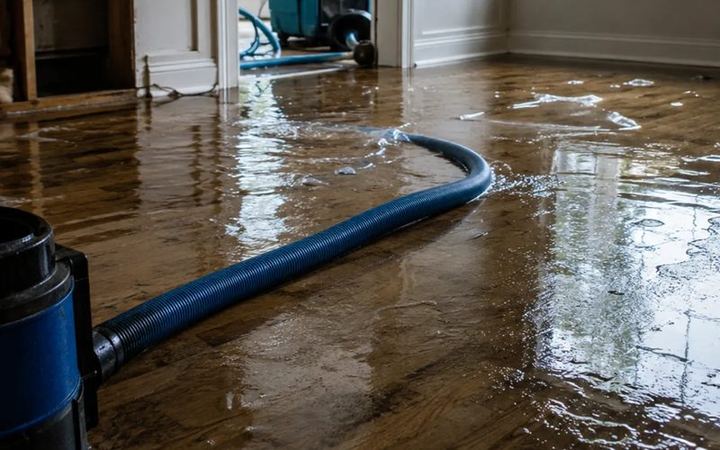
Emergency Water Extraction:
standing water pumped out fast, before it soaks deeper.
Open 24 Hours · McDonough & Henry County
Burst pipe? Flooded floor? Water coming through the ceiling? A local water damage restoration crew is ready right now, day or night.
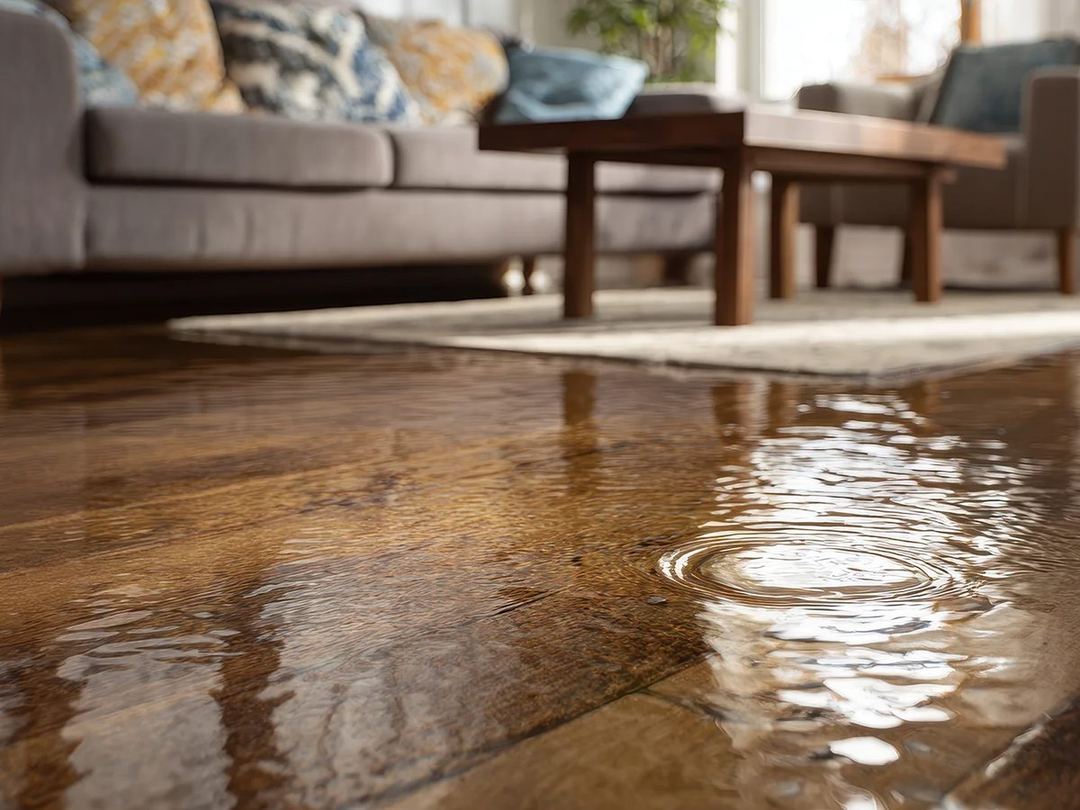
Water damage restoration in McDonough, GA starts the moment you call. Local water mitigation technicians remove the water, find the moisture you can't see, dry your home with commercial equipment and stop mold before it starts. We serve McDonough 30252 and 30253 and the surrounding Henry County area 24 hours a day, including nights, weekends and holidays.
Water doesn't stop when you see it. It climbs drywall, soaks subfloors and spreads under cabinets. In Georgia's humidity, mold can start in 24 to 48 hours. The faster the water is out, the less of your home has to be torn out.
Don't use a household vacuum on water, turn on lights in a wet ceiling, or wait for a wet ceiling to dry on its own. If it looks or smells like sewage, keep everyone and every pet out.
standing water pumped out fast, before it soaks deeper.
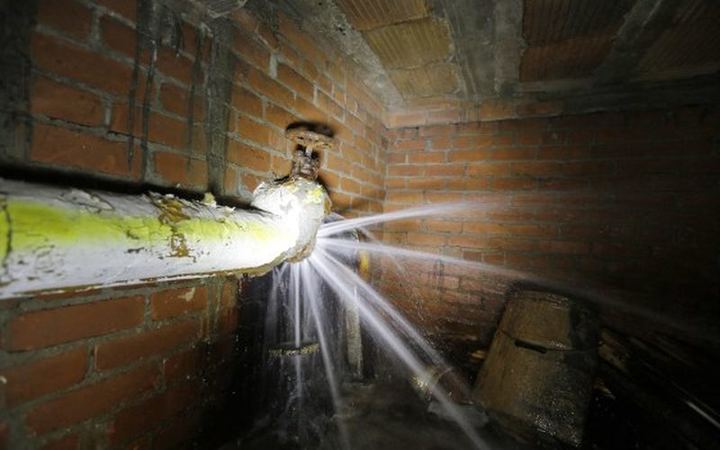
cleanup and drying when pipes split in walls, ceilings, attics or crawl spaces.
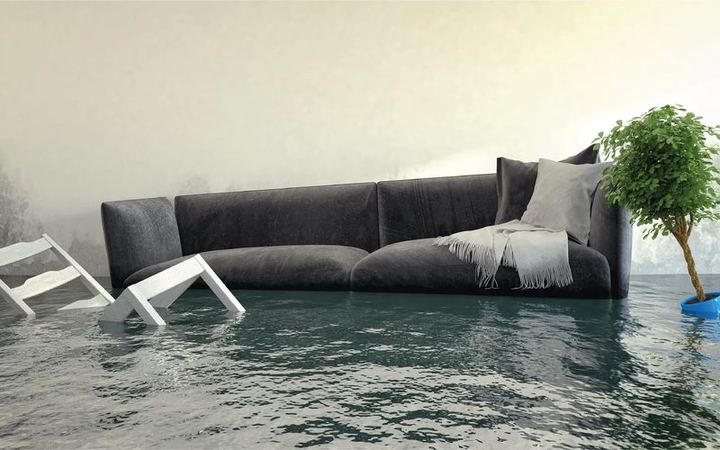
rainwater and flash-flood water removed, sanitized and dried.
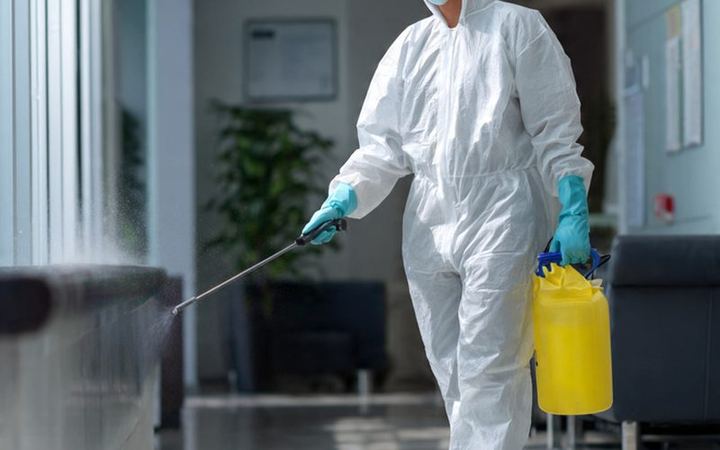
safe removal and disinfection of contaminated sewage water.
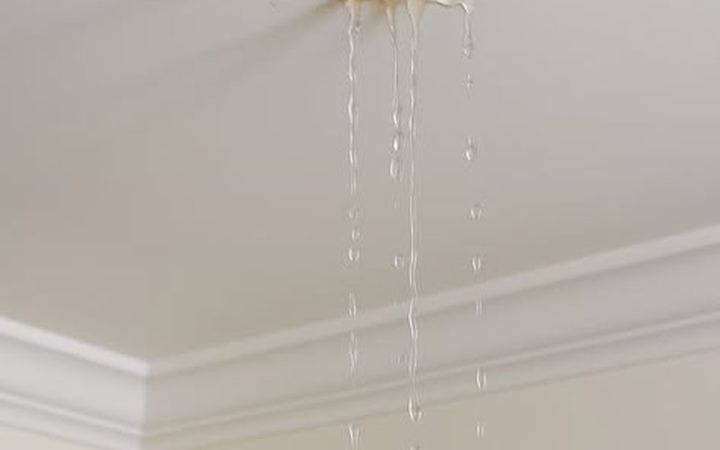
wet, stained or sagging ceilings dried and repaired.
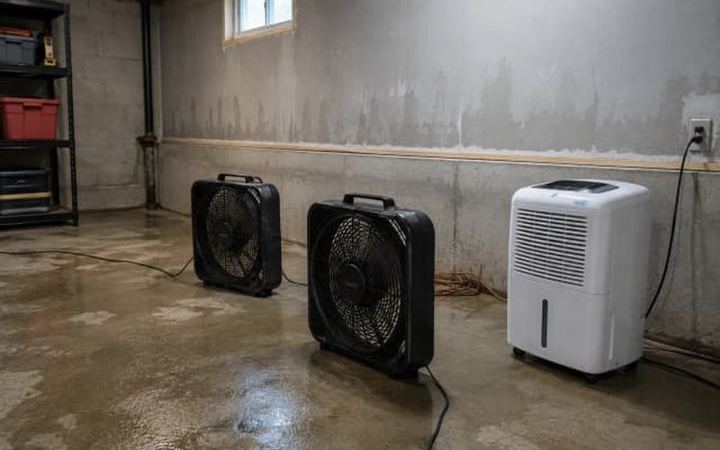
walls, floors and cavities dried until readings prove they're dry.
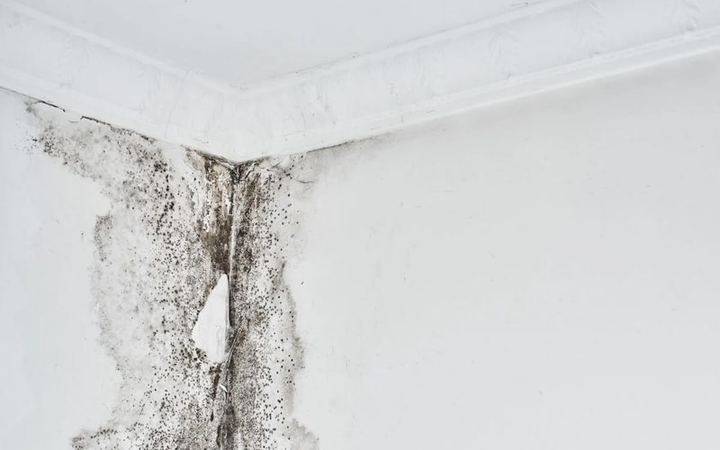
mold contained and removed, and the moisture source fixed.
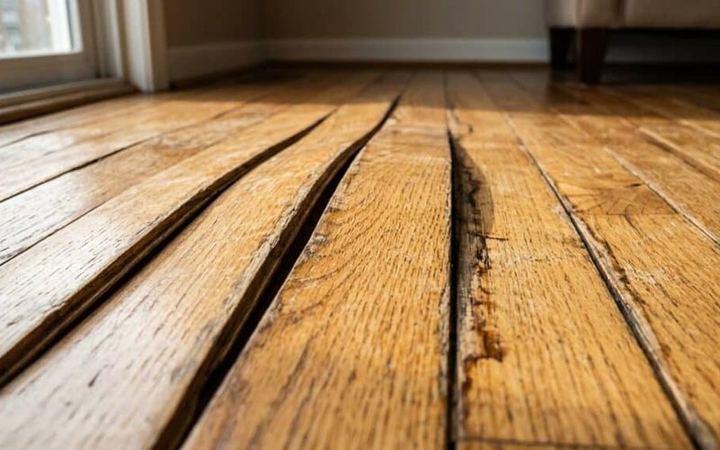
cupped or wet hardwood dried in place whenever it can be saved.
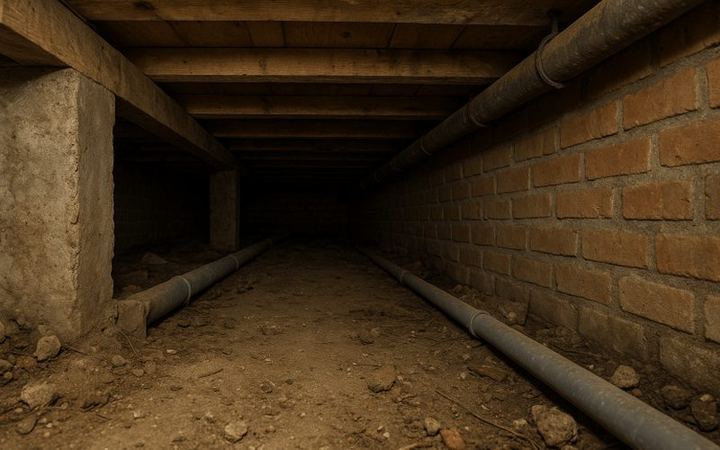
standing water and damp crawl spaces dried out.
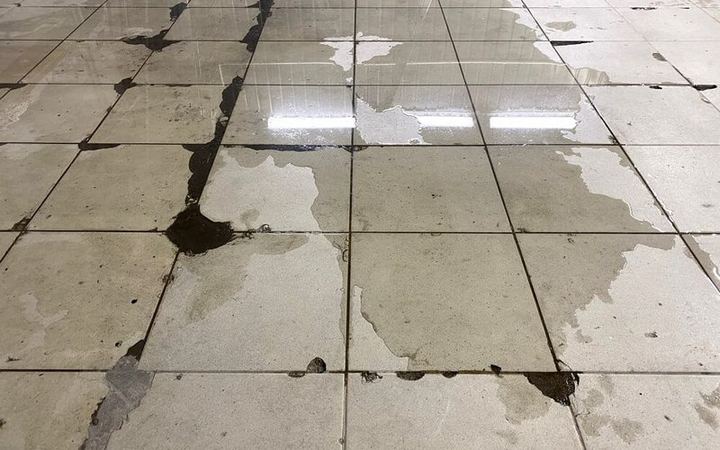
wet floors and walls from leaks under the slab.
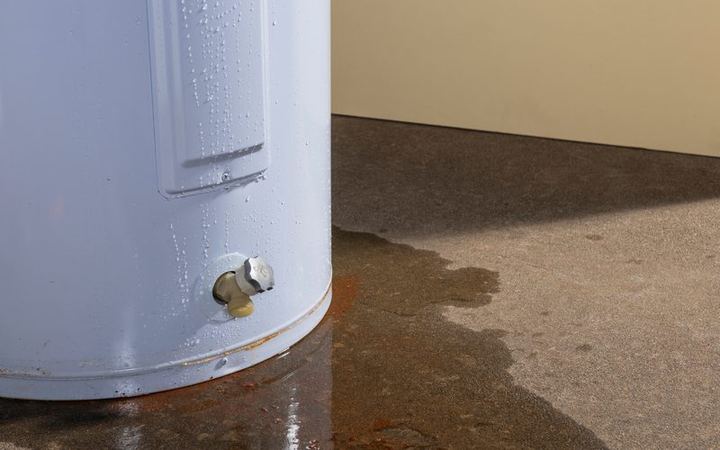
garage, closet and attic tank leaks.
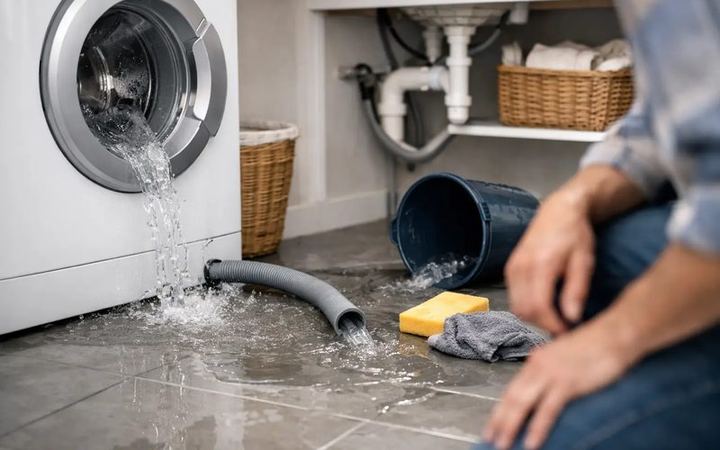
hose and ice maker line leaks under floors and cabinets.
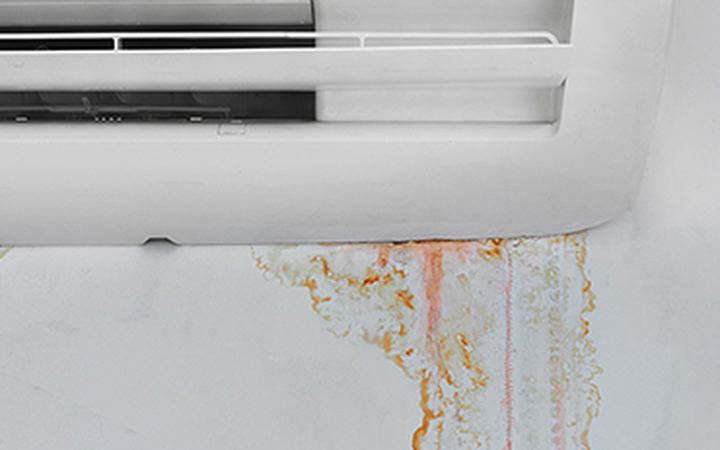
condensate overflows in attics and ceilings.
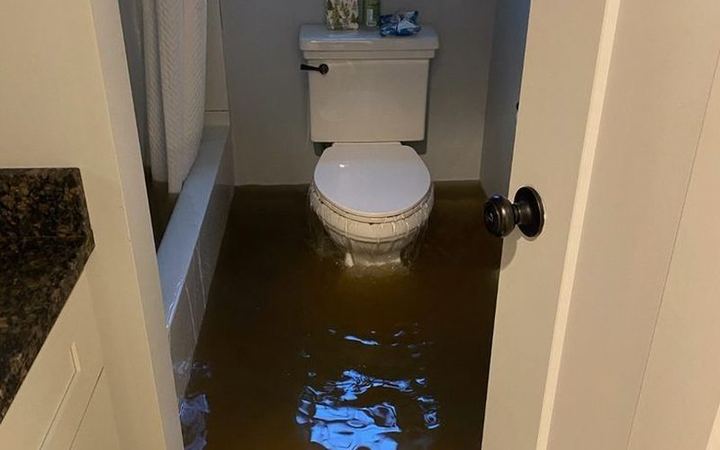
overflows, supply lines and shower pan leaks.
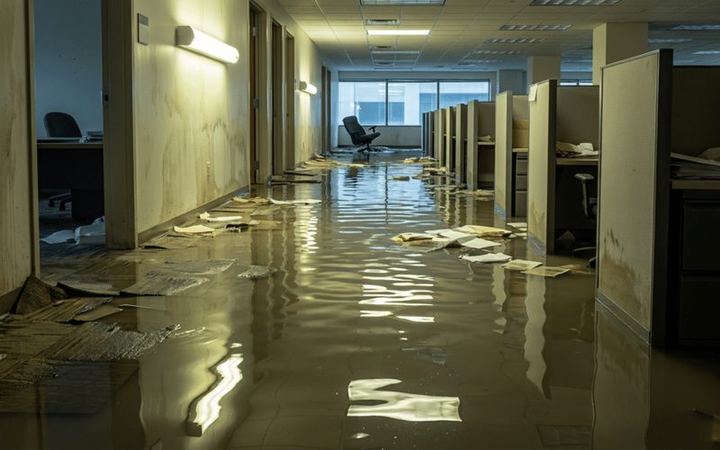
offices, retail, warehouses and rentals, scheduled around your hours.
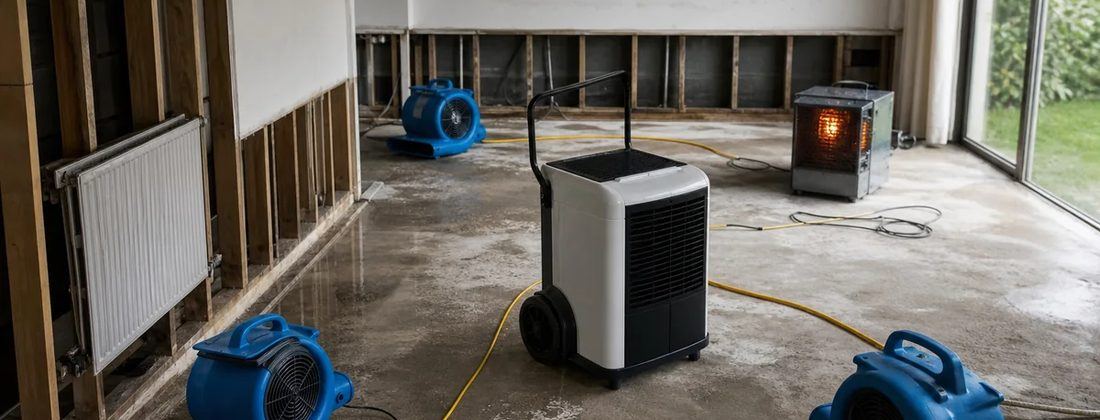
Water damage restoration follows six steps: inspect, extract, dry, clean, monitor and repair. Most McDonough homes finish drying in 3 to 5 days.
A wall can feel dry and still be wet inside. Drying until the readings say so, not until it looks dry, is what prevents hidden mold weeks later.
Most water damage in McDonough comes from four local causes: hard freezes, heavy rain, damp crawl spaces and long humid summers.
Georgia pipes often run through attics, garages, exterior walls and vented crawl spaces with little insulation. When hard freezes hit metro Atlanta, as they did at Christmas 2022 and in January 2024, pipes split and flood homes as they thaw. Georgia ranked first in the nation for one major insurer's paid frozen-pipe claims, about $100 million in a single year. See how we handle burst and frozen pipe water damage.
McDonough gets roughly 50 inches of rain a year. Intense storms overwhelm yard drainage and push water under doors, into garages and down into crawl spaces. Flash flood warnings in Henry County have named the South River near downtown McDonough. Our flood and storm damage cleanup treats that water as contaminated from the start.
Many Henry County homes sit over vented crawl spaces. Clay soil holds water, and poor grading or short downspouts send rain straight to the foundation. The signs: standing water below, sagging floors and a musty smell upstairs. Learn more about crawl space water damage and drying.
Air conditioners run for months here. Clogged condensate lines overflow from attic air handlers into ceilings, and humid air keeps wet materials from drying on their own, which is why AC leak water damage so often turns into mold.
Henry County grew past 240,000 people by 2020. Many homes built in the 1990s and 2000s now have water heaters, supply hoses and plumbing at the end of their lifespan, and that shows up as sudden water heater leaks, washing machine and appliance leaks and hidden slab leaks.
Most water damage restoration jobs in the Atlanta area, including McDonough, typically fall between about $1,200 and $7,000. A small clean-water leak caught early can cost a few hundred dollars. Sewage, floodwater or whole-home losses can run past $10,000. You'll know the scope for your home before major work begins.
| What drives the cost | Lower end | Higher end |
|---|---|---|
| Type of water | Clean water (supply line, ice maker) | Sewage or floodwater |
| Area affected | One room | Several rooms, two floors or a crawl space |
| Materials | Tile, vinyl, concrete | Hardwood, carpet and pad, drywall cavities, cabinets |
| How long water sat | Hours | Days, with mold starting |
| Rebuild needed | Drying only | New drywall, flooring, trim and paint |
The cheapest water damage is the one dried fast. Calling early is the single biggest way to keep the cost down.
Ranges are general market estimates, not a quote.
Homeowners insurance in Georgia usually covers sudden, accidental water damage, like a burst pipe, a failed water heater or a broken washing machine hose. It usually doesn't cover slow leaks that went on for months, and standard policies don't cover rising floodwater. Every policy is different, so check yours or ask your agent.
| Situation | Usually covered? |
|---|---|
| Frozen or burst pipe | Often yes (the damage, not always the pipe repair) |
| Water heater or appliance failure | Often yes (the damage, not the old tank or appliance) |
| Sewer backup | Only with a water/sewer backup add-on |
| Rising floodwater or river flooding | No; needs a separate flood policy |
| Slow, long-term leak | Often no |
| Mold | Sometimes, when caused by a covered leak, often with limits |
Insurance documentation: photos and video before and during work, daily moisture readings, a drying log and an itemized scope your adjuster can review. In most cases you can choose who works on your home, even if your insurer suggests a preferred vendor.
General information only, not legal or insurance advice. Your policy decides your coverage.
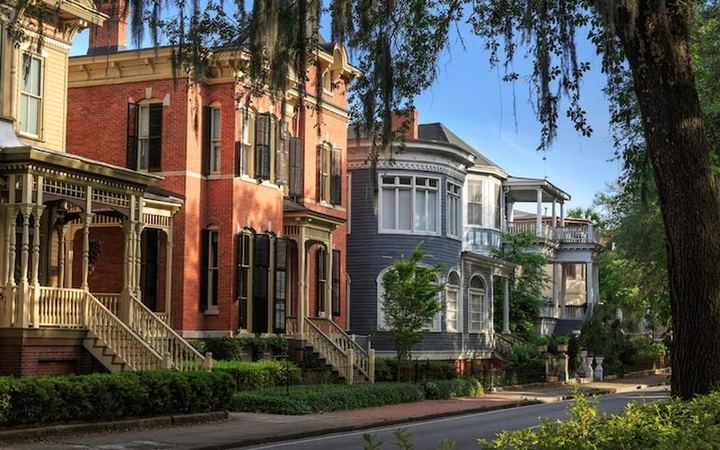
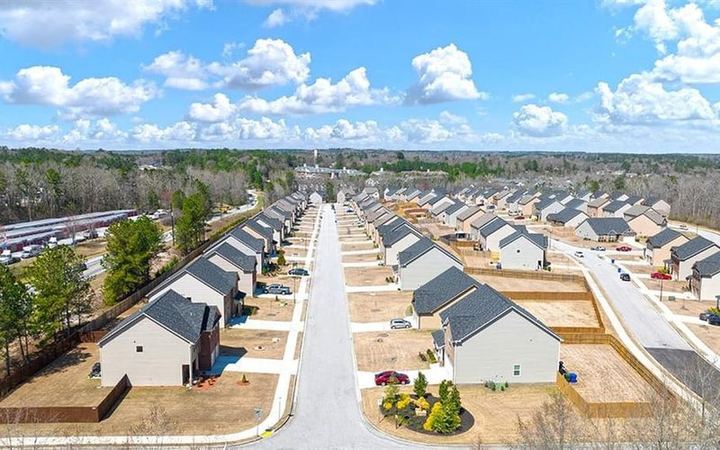
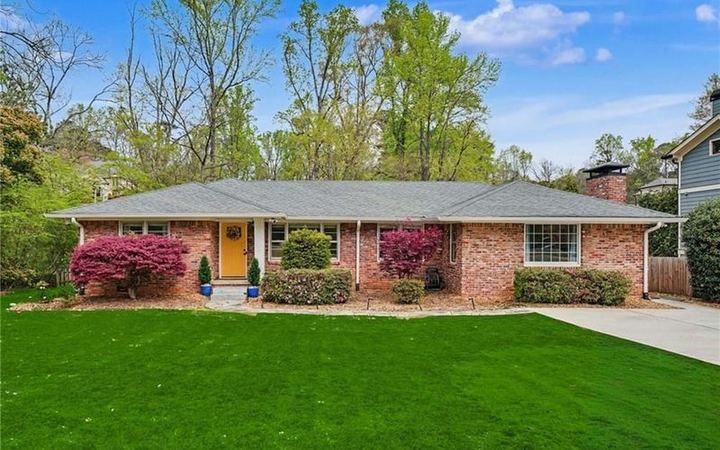
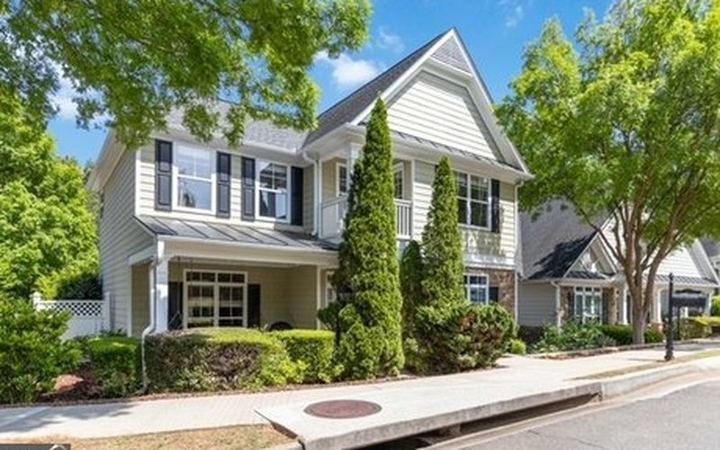
Local water damage crews cover McDonough, GA 30252 and 30253, including Blacksville, Flippen, Kelleytown and Ola, plus nearby towns across Henry, Clayton, Rockdale, Spalding and Butts counties.
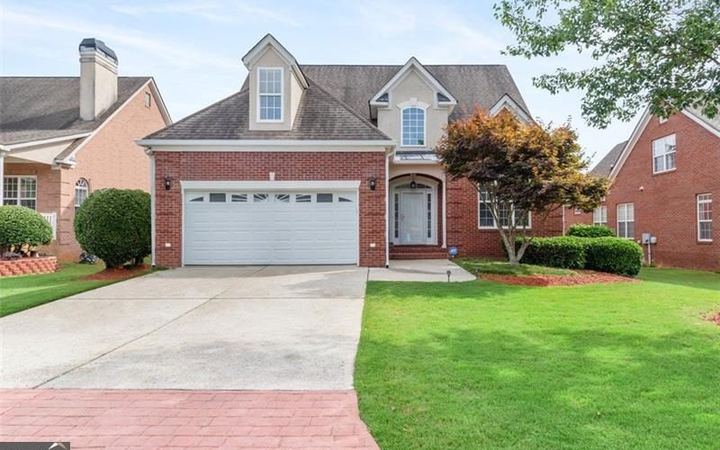
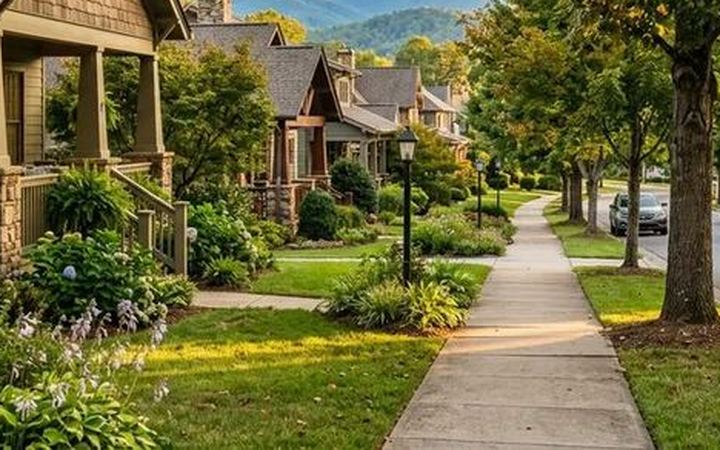
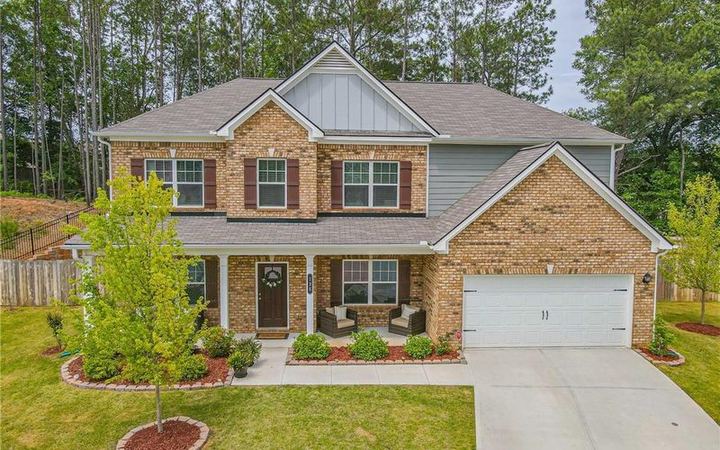
Not sure if we cover your street? Call and you'll know in seconds.
Call any hour and a local water damage crew is dispatched right away. While they're on the way, we'll walk you through stopping the water safely.
Shut off the main water valve, stay away from electricity in wet areas, photograph the damage and move valuables to a dry room.
Most homes dry in 3 to 5 days. Hardwood, crawl spaces and water trapped inside walls can take longer. Drying ends when moisture readings confirm it, not on a fixed date.
Usually, yes. Many families stay while equipment runs in the affected rooms. Sewage, major tear-out or losing water or power in key rooms can make a short stay elsewhere the safer choice.
Yes, if anything is still wet. Water keeps spreading into drywall, subfloors and insulation, and mold can start within 24 to 48 hours in Georgia's humidity.
Water mitigation stops the damage from getting worse: extraction, drying and removing what can't be saved. Water restoration rebuilds what was damaged, like drywall, flooring and paint. Most jobs need both.
Yes. Every job is documented with photos, daily moisture readings and an itemized scope your adjuster can review. Coverage decisions are made by your insurer.
If water is still running and you can't shut it off, call a plumber. Once it's stopped, call for water damage cleanup right away. Drying shouldn't wait for the plumbing repair.
Watch for musty smells, soft or warped floors, bubbling paint, ceiling stains, baseboards pulling away and a rising water bill. Moisture meters and thermal imaging find what you can't see.
It can, especially in Henry County's humid months. Fast extraction and measured drying are the best prevention. If mold has started, it's contained, removed and the moisture source fixed so it doesn't come back.
Every hour water sits, more of your home soaks it up. A local water restoration crew will stop the damage, dry your home the right way and help you through the insurance process.