McDonough, GA · Open 24 Hours
Hardwood Floor Water Damage Drying in McDonough, GA
Wet hardwood isn't automatically ruined, but the clock is running. Local hardwood floor drying technicians dry wood floors in place whenever they can be saved, so you're not paying to tear out and replace a floor that didn't need it.
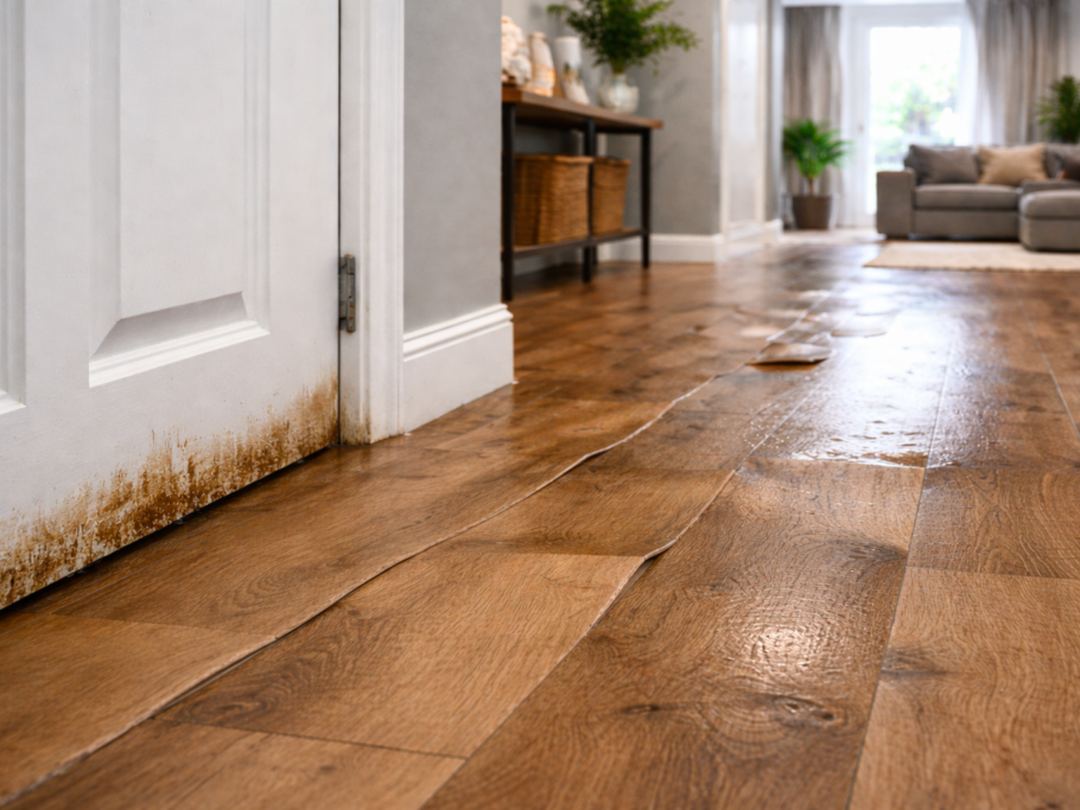
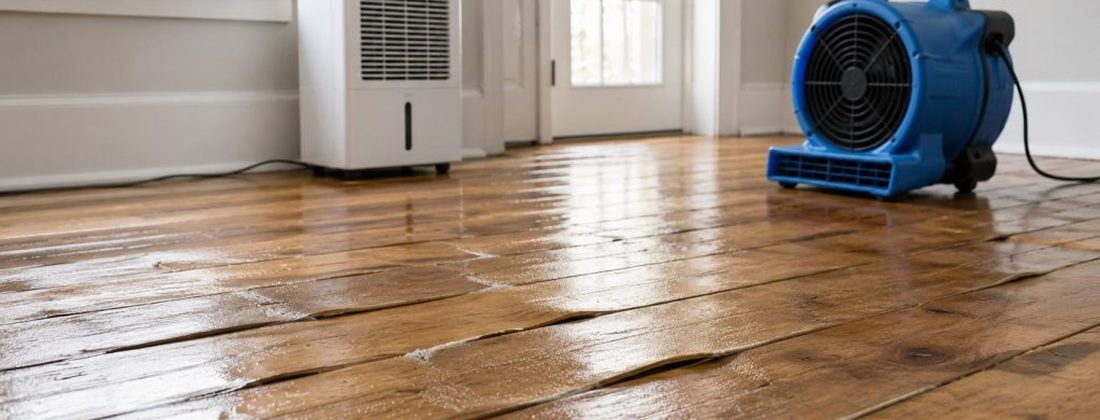
Hardwood floor water damage in McDonough, GA can often be reversed when drying starts fast. Wood absorbs water from the top and bottom, swells, and starts to cup or buckle within hours to days. Water damage technicians use specialized floor-drying mats and panel systems that pull moisture up through the boards, while dehumidifiers dry the subfloor and air below. Moisture readings track every section until the wood returns to its normal level.
Solid oak in older Jonesboro and Griffin homes, engineered hardwood in newer Henry County subdivisions and hardwood over crawl spaces all respond differently, which makes the floor one of the most technical parts of water damage restoration in McDonough.
Can Water-Damaged Hardwood Floors Be Saved?
Often, yes, when the water was clean and drying starts within the first day or two. Floors are more likely to be saved when:
- The water came from a clean source, like a supply line or burst pipe
- Drying starts quickly, before boards buckle off the subfloor
- The flooring is solid hardwood rather than thin engineered or laminate
- The subfloor underneath can be dried too
Floors soaked by sewage or floodwater, boards that have delaminated, and floors that stayed wet for many days usually need replacing.
Cupping, Crowning and Buckling Explained
| What you see | What it means |
|---|---|
| Cupping: board edges higher than the center | Moisture is coming from below, from the subfloor or crawl space |
| Crowning: center higher than the edges | Often from sanding a cupped floor too early, before it dried |
| Buckling: boards lifting off the subfloor | Severe moisture; the floor has swollen beyond its space |
| Dark staining or gaps | Long-term water exposure or drying too fast without control |
Mild cupping often flattens as the floor dries. Sanding before the wood is dry locks the damage in, so refinishing always waits for moisture readings.
How Hardwood Is Dried in Place
- Stop the water and extract standing water from the surface and seams.
- Moisture mapping of boards and subfloor to set drying goals from an unaffected area of the floor.
- Floor-drying mats or panels create suction or pressure that pulls moisture out through the wood.
- Dehumidifiers and controlled airflow dry the room without drying the surface too fast, which can crack boards.
- Dry from below when the floor sits over a crawl space.
- Daily readings until the wood and subfloor are back to normal, part of our structural drying process.
- Wait, then refinish. Once dry, the floor is re-evaluated; many floors only need sanding and refinishing.
Engineered Hardwood vs Solid Wood vs Laminate
- Solid hardwood: the best chance of saving; can be dried and later sanded and refinished.
- Engineered hardwood: can sometimes be dried, but the thin top layer limits refinishing and plies can separate.
- Laminate: the fiberboard core swells and doesn't recover; usually replaced.
- Luxury vinyl plank: waterproof surface, but water trapped beneath it has to be removed by lifting planks.
How Long Does It Take to Dry Hardwood Floors?
Hardwood typically takes longer than other materials, often about 1 to 2 weeks with specialty equipment, depending on the species, thickness, how wet the subfloor is and how long water sat. Refinishing comes after the floor has fully stabilized.
What Causes Hardwood Floor Water Damage in McDonough Homes?
- Dishwasher, refrigerator and ice maker leaks under kitchen floors
- Slab leaks rising through floors on concrete
- Damp crawl spaces making floors cup from below
- Burst pipes in walls and ceilings
- Pet accidents and spills that sit in seams
Does Insurance Cover Water-Damaged Hardwood?
If the water came from a sudden, covered event like a burst pipe or appliance failure, the floor damage is often covered. Damage from slow leaks or ongoing crawl space moisture is often excluded. Drying the floor in place when possible keeps the claim smaller and faster.
General information, not insurance advice.
How Much Does Hardwood Floor Drying Cost?
Drying hardwood in place usually costs much less than tearing out and replacing it. Drying a room or two often runs from about a thousand to a few thousand dollars depending on square footage and equipment days; replacing and refinishing hardwood typically costs far more.
Ranges are general market estimates, not a quote.
Hardwood Floor Drying Across McDonough and Nearby Towns
Beyond McDonough 30252 and 30253, local floor drying crews dry solid hardwood in older homes across Jonesboro and Griffin, crawl-space floors in Hampton, and engineered floors in newer Stockbridge homes.
Hardwood Floor Questions from McDonough Homeowners
Should I remove wet hardwood right away?
Not usually. Pulling boards too soon can destroy floors that could have been dried. Get moisture readings first; removal is a last resort.
Will my cupped floor flatten after drying?
Mild cupping often flattens as the wood dries. Severe cupping or buckling may not fully recover.
Can I sand my floors flat now?
No. Sanding a wet, cupped floor causes crowning once it dries. Wait until readings confirm the wood is dry and stable.
Can engineered hardwood be dried?
Sometimes, if it's caught early. The thin wear layer and glued plies make it more fragile than solid wood.
Why are my wood floors cupping when there's no leak?
Moisture from a damp crawl space or a slab can cause cupping from below. Check the crawl space and humidity under the floor.
Wet Hardwood? Save It Before It Buckles
The sooner drying starts, the more of your floor can be saved. A local hardwood floor water damage crew will dry it in place whenever possible.