Jackson, GA · Open 24 Hours
24/7 Water Damage Restoration in Jackson, GA
Septic backup? Leak at the lake house? Storm damage on a rural property? Local water damage restoration crews reach Jackson from McDonough by way of I-75 and GA-16, ready to extract, disinfect and dry your home day or night.
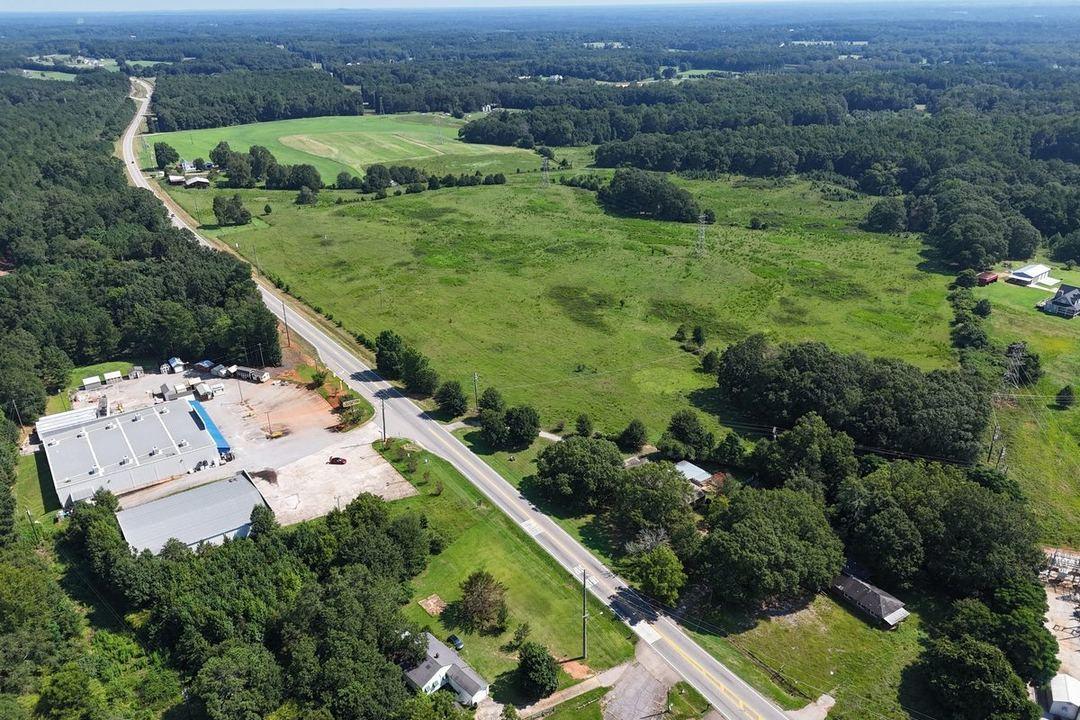
Water damage restoration in Jackson, GA looks different from the suburbs to the north. Jackson is the Butts County seat, a small city of about 5,200 people in a county where most residents live in rural areas, many on private septic systems and wells. It's also the gateway to Jackson Lake, a 4,750-acre lake created by the Lloyd Shoals Dam in 1910, with about 135 miles of shoreline and thousands of lake homes, many of them older homes over crawl spaces. Local water mitigation technicians handle septic backups, leaks found after time away, crawl space water and storm damage, and document every loss for your insurance claim.
Jackson sits south of McDonough along I-75 and is covered by the same crews behind our water damage restoration in McDonough.

Septic Backups on Rural and Lake Properties
When a septic tank is full, a drain field is saturated after heavy rain, or the line to the tank clogs, sewage backs up into the lowest drains in the house. Septic sewage is Category 3 contaminated water, so cleanup means containment, removal of soaked carpet, pad and drywall, disinfection and drying. A septic contractor pumps and repairs the system; sewage backup cleanup restores the house. Pumping the tank on schedule and keeping grease and wipes out of drains prevent most backups.
Jackson Lake Homes: Leaks Found After Time Away
Many Jackson Lake homes are weekend or seasonal places, and a leak that starts while no one's there can run for days. A burst supply line in winter, a failed water heater or a washer hose can soak floors, walls and the crawl space before anyone sees it. Older lake homes, some built in the 1960s, often sit over crawl spaces that trap that moisture. Burst pipe water damage, water heater leak cleanup and crawl space water damage cleanup dry the structure, and mold remediation handles growth that started while the house sat closed.
For lake and second homes: shut off the main water valve when you leave, set the thermostat to a steady temperature in winter, and consider a leak sensor with an automatic shut-off.
Storm Damage Around Indian Springs, Jenkinsburg and Flovilla
Severe thunderstorm warnings for Butts County regularly name Jackson, Indian Springs State Park, Jenkinsburg and Flovilla, with damaging wind to roofs, siding and trees. A fallen tree or torn shingles let rain into attics and ceilings, and rural properties can take on water from runoff. Ceiling and roof leak water damage repair dries the attic and ceilings, and flood and storm damage cleanup handles water that comes in at ground level.
Wells, Pumps and Rural Plumbing
On properties with private wells, a failed pressure tank, a cracked line from the well house or a pump that won't shut off can flood a utility room or crawl space. Shut off power to the well pump to stop the water, then start drying.
Water Damage Services in Jackson
- Sewage and septic backup cleanup
- Crawl space water removal
- Burst and frozen pipe water damage
- Ceiling and roof leak water damage
- Water heater leak cleanup
- Mold remediation
Neighborhoods and Areas We Cover
Local water damage crews serve Jackson 30233 and Butts County, including downtown Jackson and the courthouse square, Jackson Lake communities, Indian Springs, Jenkinsburg, Flovilla and rural properties along GA-16, GA-36 and GA-42. Nearby, crews also cover Locust Grove, Griffin and McDonough.
Insurance Notes for Jackson Homeowners
Sudden pipe bursts and appliance failures are usually covered. Some policies limit coverage for homes left vacant for long periods or unheated in winter, which matters for lake and second homes. Septic backup damage may need a water/sewer backup endorsement, and lake or river flooding needs a separate flood policy.
General information, not insurance advice.
Water Damage by Season in Jackson
| Season | Most common cause in Jackson | Where it shows up |
|---|---|---|
| Winter (Dec-Feb) | Pipes freezing in vacant or lightly heated lake homes; well lines freezing | Under floors, walls, well houses |
| Spring (Mar-May) | Severe storms with wind and hail across Butts County | Roofs, attics, ceilings |
| Summer (Jun-Aug) | Heavy septic use with guests at lake homes; AC overflows | Lower drains, bathrooms, ceilings |
| Fall (Sep-Nov) | Soaking rains saturating drain fields; storm remnants | Septic backups, crawl spaces |
Your First Hour After Water Damage at a Jackson Lake House
- Shut off the main water valve, usually in the crawl space, a utility room or at the meter. On a private well, also switch off the well pump at its breaker.
- Turn off power to wet areas if the breaker panel is safe to reach.
- If sewage is coming up, stop using all water; the septic system may be full or the drain field saturated.
- Photograph everything, including the date you found the damage, which matters for vacant-home policy terms.
- Call for help and mention whether the home has a septic system, a well and a crawl space.
How Restoration Works for Lake and Rural Homes
Lake and rural homes around Jackson often combine an older crawl space, a private septic system and sometimes a well. When a leak runs for days in an empty house, water usually reaches the crawl space, the subfloor and the bottom of the walls. Technicians map moisture through the whole house, pump and dry the crawl space, remove soaked carpet pad and drywall, and dry the structure with daily readings.
For septic backups, the cleanup follows Category 3 protocols: containment, removal of porous materials the sewage touched, disinfection and drying, while a septic contractor pumps and repairs the system. Learn more about sewage backup cleanup and structural drying.
Winterizing a Jackson Lake Home
- Shut off the main water valve whenever the house will be empty for more than a day or two
- For longer winter absences, drain the supply lines and water heater, or have a plumber winterize the home
- Keep the thermostat at a steady temperature, commonly around 55°F, rather than turning heat off
- Insulate crawl space pipes and well lines, and close crawl space vents during hard freezes
- Install a smart leak sensor or automatic shut-off valve that alerts your phone
- Ask a neighbor to check the house after hard freezes
Septic Care to Prevent Backups
- Have the tank inspected regularly and pumped on schedule; the EPA suggests pumping typically every 3 to 5 years, more often with heavy use
- Spread out laundry and heavy water use, especially when the lake house is full of guests
- Keep grease, wipes and paper products out of drains
- Don't park vehicles or build over the drain field
- After heavy rain, limit water use until the drain field recovers
What Water Damage Restoration Costs in Jackson
| Jackson scenario | Typical range (estimate) |
|---|---|
| Small leak in an occupied home, caught early | A few hundred to about $2,000 |
| Leak that ran for days in an empty lake home | Often $5,000 to $15,000 or more |
| Septic backup confined to one bathroom | Several hundred to about $3,000 |
| Storm leak into attic and ceilings | About $2,000 to $8,000 |
General market estimates, not quotes. Septic and well repairs are separate.
Jackson Water Damage FAQ
My septic backed up into the house. What now?
Stop using water, keep everyone out of the area, and call a septic contractor to pump and check the system. Then start cleanup right away; septic sewage is contaminated and needs disinfection, not just drying.
I found water damage at my lake house after a trip. What should I do?
Shut off the main water, photograph everything, and start drying immediately. Water that sat for days has likely reached the crawl space and walls, so moisture mapping is important.
Who handles roof leaks after a storm?
A roofer or emergency tarp stops new water. A water damage cleanup crew dries the attic, insulation and ceilings at the same time.
Does insurance cover a vacant second home?
It depends on your policy. Some limit coverage if a home is left vacant or unheated for long periods. Check with your agent before winter.
How often should I pump my septic tank?
The EPA suggests typically every 3 to 5 years for most households, more often for heavy use or smaller tanks. A septic professional can recommend a schedule for your system.
Can I use water after a septic backup?
Not until the septic system has been pumped or checked. Using water pushes more sewage into the house.
How do I winterize my lake house?
Shut off the main valve, keep the heat at a steady temperature, insulate crawl space and well lines, and consider draining the lines or having a plumber winterize the home for long absences.
Water Damage in Jackson? Get It Cleaned Up Today
From septic backups to lake house leaks, local water damage restoration crews will extract, disinfect and dry your Jackson home, any hour of the day or night.