McDonough, GA · Open 24 Hours
Structural Drying & Dehumidification in McDonough, GA
A wall can feel dry and still be wet inside. Local water mitigation technicians dry your home to a measured standard, so hidden moisture doesn't turn into mold or rot.
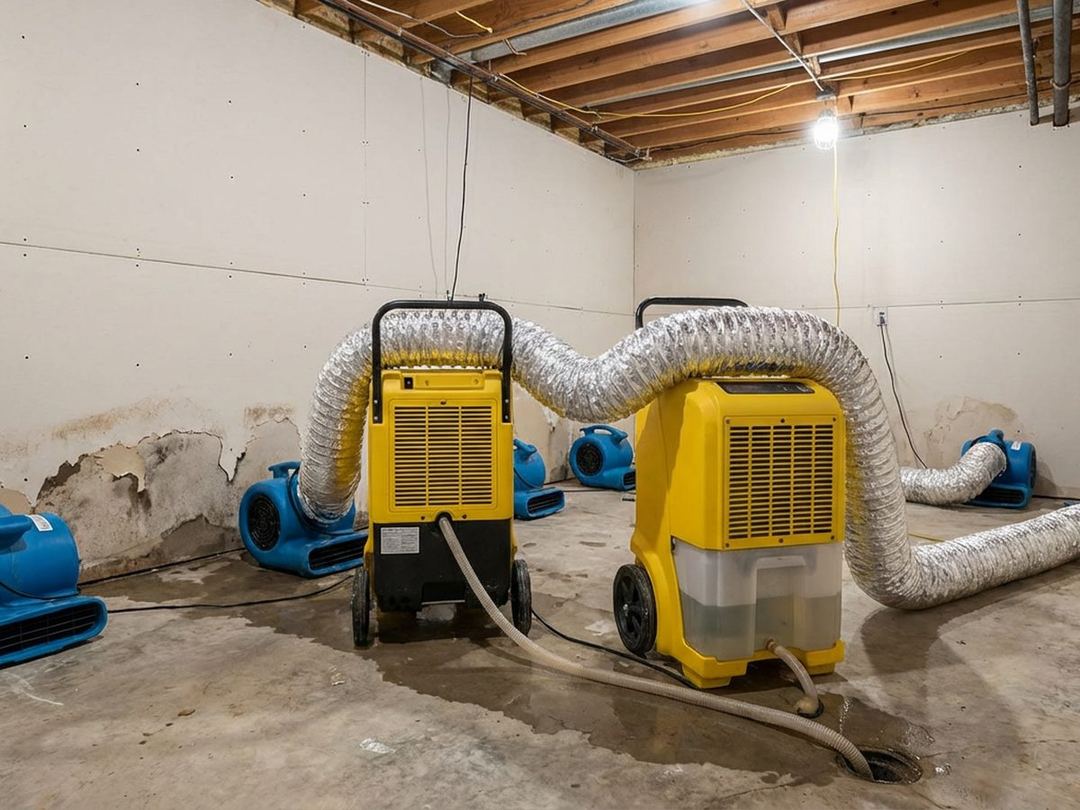
Structural drying in McDonough, GA removes water that has soaked into drywall, framing, subfloors, cabinets and insulation after a leak or flood. It's the heart of water mitigation: once standing water is gone, moisture trapped inside materials still has to be pulled out with commercial air movers and dehumidifiers, and proven dry with moisture readings. McDonough structural drying technicians set up the drying, monitor it every day and keep going until materials reach their normal dry level, not until they look dry.
Drying follows emergency water extraction and comes before any rebuild. Getting it right is what decides whether you replace a few baseboards or a whole room in a water damage restoration in McDonough job.
What Water Mitigation Means (and How It Differs from Restoration)
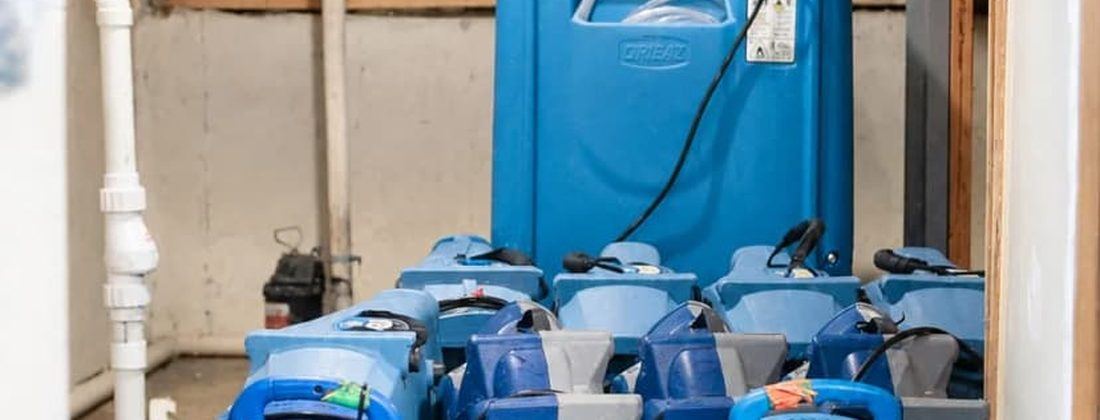
Water mitigation stops damage from getting worse: water removal, structural drying, dehumidification and removing materials that can't be saved. Water restoration repairs and rebuilds what was damaged, like drywall, flooring, trim and paint. Insurance adjusters often list them separately, and nearly every water damage job needs both, in that order.
How a House Is Dried After Water Damage
- Moisture mapping. Meters and thermal imaging show which materials are wet and how far water traveled, so every affected area is included.
- Drying goals. Readings from unaffected areas of your home set the dry standard each material must reach.
- Air movement. High-velocity air movers sweep moisture off wet surfaces and into the air.
- Dehumidification. Commercial low-grain refrigerant (LGR) or desiccant dehumidifiers pull that moisture out of the air and pump it away.
- Targeted drying. Wall-cavity systems push dry air behind drywall; drying mats pull water from hardwood; cabinets get toe-kick openings for airflow.
- Daily monitoring. Moisture and humidity are measured and logged every day, and equipment is adjusted as materials dry.
- Dry standard confirmed. Equipment comes out only when readings match the drying goals.
How Long Does It Take to Dry a House After Water Damage?
Most homes dry in 3 to 5 days. The time depends on how much water there was, what it soaked into and how humid it is outside.
| Water damage class | What's wet | Typical drying |
|---|---|---|
| Class 1 | Part of a room, little absorbed water | Shortest; often a few days |
| Class 2 | A whole room; carpet, pad and lower walls | About 3 to 5 days |
| Class 3 | Water from above; ceilings, walls, insulation | About 3 to 5 days, sometimes more |
| Class 4 | Hardwood, plaster, concrete, crawl spaces | Longer; specialty drying needed |
Hardwood floors, crawl spaces and concrete slabs are the slowest materials to dry in Henry County homes.
Why Fans Alone Aren't Enough
Household fans move air but don't remove moisture from it. In Georgia's humidity, wet drywall can stay damp for weeks with fans alone, while moisture just moves from the floor into the air and back into other materials. Commercial dehumidifiers are what actually take the water out of the house, and moisture readings are the only way to know when you're done.
How Moisture Is Measured Until Materials Are Truly Dry
- Pin and pinless moisture meters read moisture inside drywall, wood and subfloors.
- Thermal imaging shows cool, wet areas behind walls and ceilings.
- Thermo-hygrometers track temperature, relative humidity and grains per pound so drying conditions stay effective.
- A daily drying log records every reading, which also supports your insurance claim.
Can You Stay Home During Drying?
Usually, yes. Drying equipment is loud and adds warmth, so many families keep doors to the drying rooms closed and live in the rest of the house. If the water was contaminated, as with sewage backup or floodwater, or if power or water is off in key rooms, a short stay elsewhere may be easier. Leave equipment running and in place; turning it off or moving it slows drying.
What Affects the Cost of Structural Drying?
Drying is priced by the equipment needed and the number of days it runs, as part of the overall water damage job. In the Atlanta area, most water damage jobs including drying commonly fall between about $1,200 and $7,000. The class of water damage, square footage, materials like hardwood or plaster, and how quickly drying starts affect the total.
Ranges are general market estimates, not a quote.
Drying Saves What Tear-Out Can't
When drying starts fast and is measured carefully, more of your home stays in place: drywall that wicked clean water, solid wood trim, cabinets and many hardwood floors can often be dried rather than replaced. That means shorter repairs and fewer disruptions. Materials that stay wet too long, or that touched contaminated water, are removed so mold can't follow.
Structural Drying Across McDonough and Nearby Towns
Along with McDonough 30252 and 30253, local water mitigation crews provide structural drying for slab homes in Locust Grove and Lovejoy, two-story homes in Stockbridge and older homes in Jonesboro. Drying is the core of every burst pipe cleanup and slab leak job.
Drying Questions from McDonough Homeowners
How do I know my walls are completely dry?
Only a moisture meter can tell you. Drywall and studs can feel dry on the surface while still holding water inside. Readings are compared with dry areas of your home until they match.
Why are there so many fans in my house?
Each air mover covers a specific area of wet surface. The number is calculated from the size of the wet area, and dehumidifiers are sized to remove the moisture those fans release.
Can I turn the drying equipment off at night?
It's best not to. Drying works continuously, and turning equipment off lets humidity build back up, which slows drying and adds days.
Do you have to remove my drywall?
Not always. Drywall wet with clean water can often be dried in place with wall-cavity drying. Drywall that sagged, stayed wet too long or touched contaminated water is usually removed.
What happens if a house isn't dried properly?
Hidden moisture leads to musty odors, mold, swelling floors, peeling paint and weakened wood, often weeks after the leak looked fixed.
Still Wet After a Leak? Dry It Right the First Time
Measured drying now prevents mold and rebuilds later. A local water mitigation crew will dry your home to a proven standard.