McDonough, GA · Open 24 Hours
Sewage Backup Cleanup in McDonough, GA
Sewage coming up through a drain, tub or toilet? Stop using water and keep everyone out. Local sewage cleanup technicians contain it, remove it and disinfect your home, day or night.
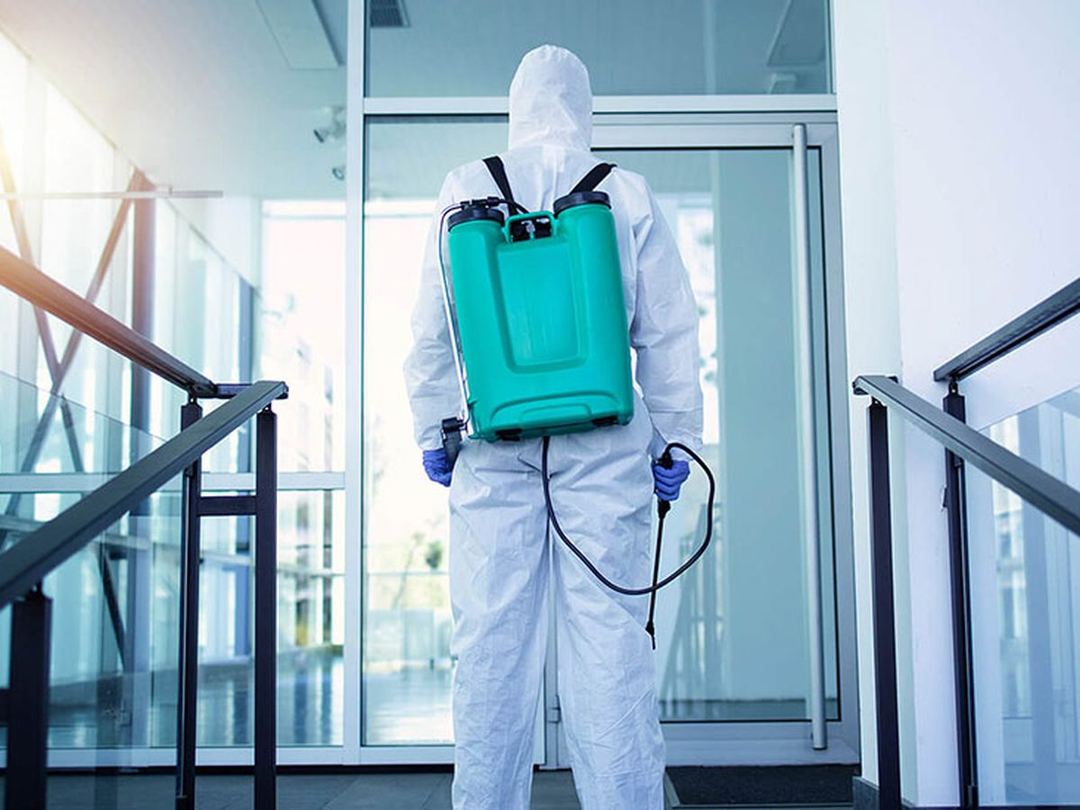
Sewage backup cleanup in McDonough, GA is a health emergency, not a mop-and-bucket job. Sewage carries bacteria, viruses and parasites that can make people and pets sick, and it soaks into carpet, drywall and wood. Sewage cleanup technicians in McDonough seal off the area, remove the sewage and every contaminated porous material, disinfect all affected surfaces and dry the structure, so the space is safe to live in again.
It's the most hazardous part of water damage restoration in McDonough, and it's handled with containment, protective equipment and professional disinfectants from the first hour.
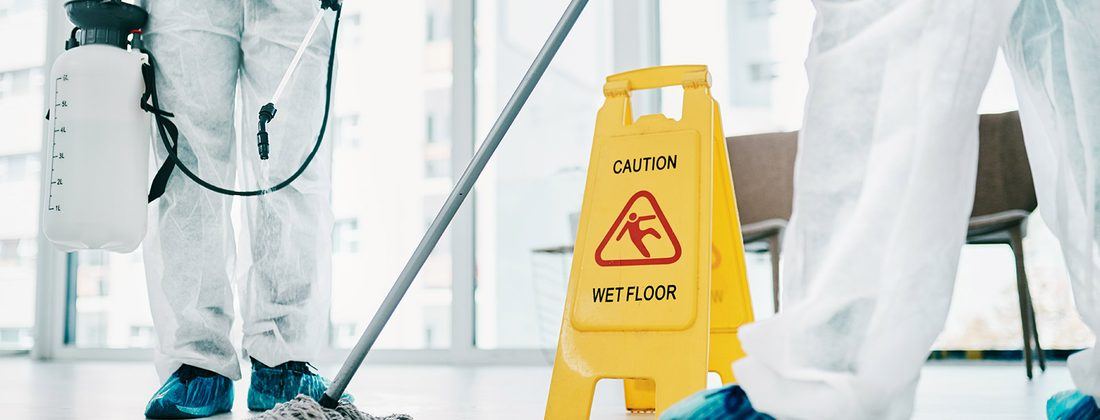
Sewage in Your McDonough Home? Do This Right Now
- Stop using all water. No flushing, showers, laundry or dishwasher. Every drop can push more sewage up.
- Keep people and pets out, especially children, older adults and anyone with a weakened immune system.
- Turn off the HVAC serving that area if you can, so contaminated air doesn't spread through the ducts.
- Don't touch sewage unprotected. If you must enter, wear rubber boots and gloves and wash thoroughly afterward.
- Photograph the damage for your insurance claim.
- Call us, and if the backup is still active, call a plumber or your septic service too.
Why Sewage Backup Is Dangerous
Sewage is Category 3 "black water," the most contaminated type of water damage. It can carry E. coli, hepatitis A and other pathogens. Porous materials it touches, like carpet, pad, drywall and insulation, can't be reliably disinfected and must be removed. Fumes and dried residue irritate the lungs, so the air has to be scrubbed and the area disinfected, not just aired out.
What Causes Sewer Backups in McDonough Homes?
- Tree roots entering joints in older clay or cast-iron sewer laterals
- Grease and wipes building up in the line, often noticed after holidays and family gatherings
- Aging or sagging sewer laterals in older neighborhoods
- Heavy rain overloading lines and pushing water back toward homes
- Septic overflow on rural properties around Henry and Butts counties
- Blockages in the main line at the street
When several drains back up at once, especially the lowest ones like a first-floor shower, the problem is usually in the main sewer line. A single overflowing toilet is a different situation, covered on our toilet overflow and bathroom leak page.
Who Is Responsible for a Sewer Backup: the City or the Homeowner?
In most Georgia communities, the homeowner owns the sewer lateral, the pipe running from the house to the public sewer main. Blockages and breaks in that line are usually the homeowner's responsibility. Clayton County Water Authority, which serves Jonesboro, Forest Park and Lovejoy, states that water and sewer lines from the home to its mains belong to the homeowner. If the blockage is in the public main itself, contact your provider right away; in most of Henry County that's Henry County Water Authority.
How Sewage Backup Cleanup Works
- Containment. The area is sealed with plastic barriers and negative air pressure so contamination stays out of clean rooms.
- Sewage removal. Liquid waste and solids are extracted and disposed of properly.
- Removal of contaminated porous materials. Carpet, pad, drywall, insulation and baseboards that touched sewage come out.
- Cleaning and disinfection. Floors, framing, subfloors and hard surfaces are cleaned and treated with professional disinfectants.
- Drying. Our structural drying process dries the structure, verified daily with moisture meters.
- Air scrubbing and odor removal. HEPA air scrubbers clean the air and clear lingering odor.
- Rebuild. New materials go back in only after the area is clean and dry.
What Must Be Thrown Away After a Sewage Backup?
- Carpet and carpet pad that touched sewage
- Drywall and insulation that wicked sewage water
- Upholstered furniture, mattresses and soft toys that got wet
- Particleboard cabinets and furniture
- Food, medicine and personal care items in the affected area
Metal, glass, ceramic tile and sealed solid wood can usually be cleaned and disinfected.
Does Homeowners Insurance Cover Sewage Backup?
Often only if your policy includes a water/sewer backup endorsement. Many standard Georgia homeowners policies exclude sewer backup unless that add-on was purchased. Sewage carried in by outside floodwater usually falls under flood insurance instead, which is explained on our flood damage cleanup page. The job is documented with photos, a removal scope and drying records for your adjuster.
General information, not insurance advice.
How Much Does Sewage Cleanup Cost in McDonough?
Sewage cleanup usually costs more than clean-water damage because of containment, removal and disinfection. A small bathroom backup may run from several hundred to a few thousand dollars, while backups spreading through multiple rooms or a lower level can exceed $10,000. The area affected, how far it spread and what has to be replaced set the scope.
Ranges are general market estimates, not a quote.
Mold and Odor After a Sewage Backup
Sewage water keeps materials wet and feeds mold quickly in Georgia's humidity. Thorough removal, disinfection and drying prevent it. If mold has already started, our mold remediation service handles it alongside the cleanup.
How to Prevent Sewer Backups
- Don't flush wipes, paper towels or feminine products, even ones labeled flushable
- Never pour grease or cooking oil down the drain
- Have older sewer lines camera-inspected, especially with large trees nearby
- Ask a plumber about a backwater valve if your home has repeated backups
- Pump septic tanks on schedule
- Consider adding sewer backup coverage to your insurance
Sewage Cleanup Across McDonough and Nearby Towns
Besides McDonough 30252 and 30253, local biohazard water cleanup crews handle sewage backup cleanup in Jonesboro and Forest Park under CCWA rules, septic backups around Jackson, and older-home sewer problems in Griffin and Conyers.
Sewage Backup Questions from McDonough Homeowners
Is it safe to stay in my house after a sewage backup?
It depends on where it happened and how far it spread. Keep everyone out of the affected area. If it reached living spaces or the HVAC, staying elsewhere until cleanup is finished is safer.
Can I clean up sewage myself?
A very small toilet overflow on tile may be manageable with gloves, boots and disinfectant. Anything that reached carpet, walls or more than one room needs professional removal and disinfection.
Why is sewage coming up in my shower or tub?
Usually because the main sewer line is blocked. Water from fixtures above has nowhere to go and comes out of the lowest drain. Stop using water and call a plumber.
How long does sewage cleanup take?
Most sewage cleanups take 3 to 5 days for removal, disinfection and drying, plus time for any rebuilding.
Will the sewage smell go away?
Yes, once contaminated materials are removed, surfaces are disinfected and the area is completely dry. Air scrubbers clear what's left.
Sewage Backup? Get It Cleaned Up Safely Today
Stop using water, keep everyone out, and call. A local sewage backup cleanup crew will contain it, remove it, disinfect and dry your home, any hour of the day or night.