McDonough, GA · Open 24 Hours
Flood & Storm Damage Cleanup in McDonough, GA
Rainwater in your home carries more than water. Local flood cleanup crews remove it, disinfect what it touched and dry your home, day or night.
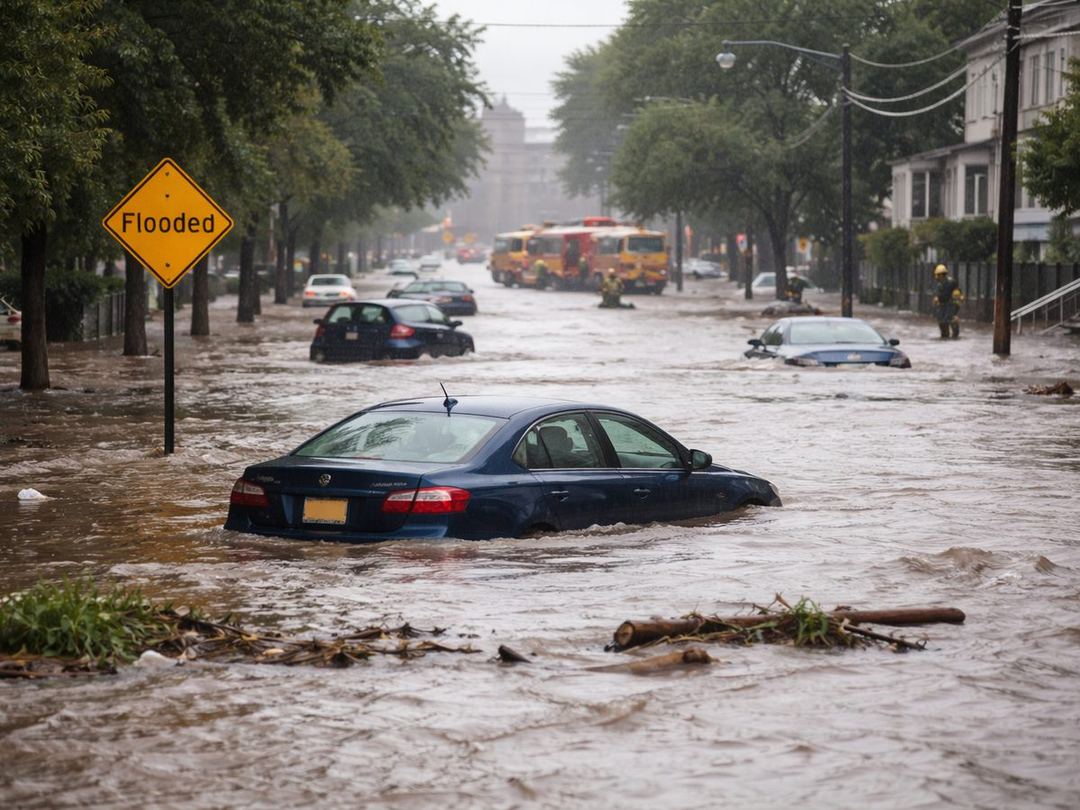
Flood damage cleanup in McDonough, GA means removing storm water from your home, cleaning and disinfecting everything it touched, and drying the structure before mold sets in. Floodwater isn't like water from a broken pipe. Water that comes in from outside picks up soil, sewage, lawn chemicals and debris, so it's treated as contaminated, and that changes what has to be removed and how the cleanup is done.
Henry County flood restoration technicians handle the whole job: pumping out standing water and mud, removing soaked materials, sanitizing, and running measured drying until the structure is truly dry. It's one part of our complete water damage restoration in McDonough.
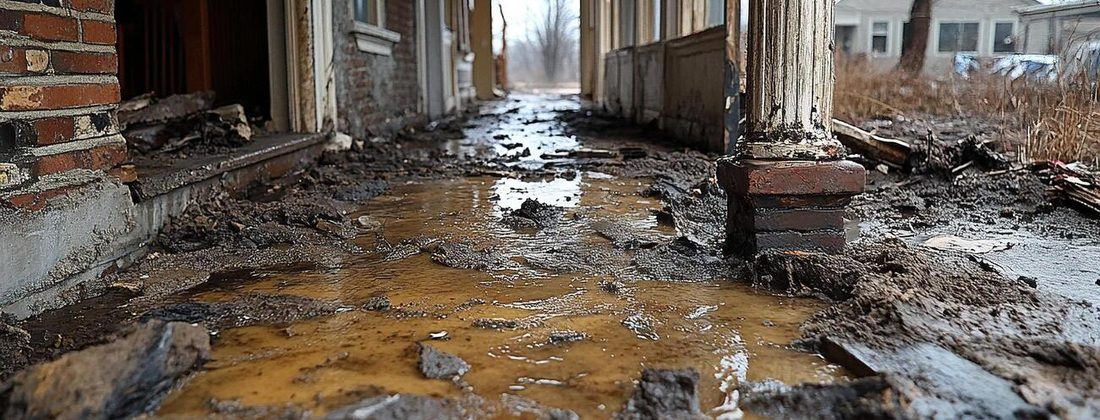
Your McDonough House Flooded After Heavy Rain: First Steps
- Stay safe. Don't walk through water near outlets or appliances, and never drive through flooded roads.
- Cut power to flooded areas if you can reach the breaker panel without standing in water.
- Keep kids and pets out. Treat the water as dirty, even if it looks clear.
- Document everything. Photograph water levels, the water line on walls and every damaged item.
- Call us. Tell us where the water came in and how high it rose.
Wear rubber boots and gloves if you must enter the area, and throw out any food that touched floodwater.
Why Floodwater Is Treated as Contaminated
Water entering from outside is classified as Category 3, the most contaminated type. It can carry bacteria from overflowing sewers, fertilizer, fuel and silt. Floodwater cleanup therefore includes removing porous materials it soaked and disinfecting every surface it touched, not just drying.
| Water type | Example | How it's handled |
|---|---|---|
| Category 1, clean | Burst supply pipe | Extract and dry; most materials can be saved |
| Category 2, gray | Washing machine or dishwasher overflow | Clean, treat and dry; some porous items removed |
| Category 3, black | Floodwater, river overflow, sewage | Remove soaked porous materials, disinfect, dry |
When the contamination comes from your own sewer line instead of the yard, the process is covered on our sewage backup cleanup page.
Where Flooding Comes From Around McDonough
- Flash flooding. Intense storms drop more rain than yards and storm drains can carry. Henry County flash flood warnings have named the South River near downtown McDonough.
- Yard runoff. Poor grading sends water toward foundations and under doors, and Henry County homeowners have reported recurring backyard flooding after heavy rain.
- Storm damage. Wind and falling trees open roofs and windows to rain. If water is coming through overhead, see ceiling and roof leak water damage.
- Rivers and creeks. The September 2009 flood affected nearly 17,000 homes across 23 Georgia counties, and the Yellow River near Conyers and the Flint River near Griffin and Lovejoy still trigger flood warnings.
- Low points. Garages and crawl spaces collect water first.
How Flood Damage Cleanup Works
- Water and mud removal. Pumps and emergency water extraction equipment clear standing water and silt.
- Removal of contaminated materials. Carpet, pad, insulation and drywall below the flood line are cut out, typically about two feet above the water line, so walls can be cleaned and dried.
- Cleaning and disinfection. Hard surfaces, framing and subfloors are cleaned and treated with antimicrobial products.
- Drying. Our structural drying process runs air movers and commercial dehumidifiers, checked daily with moisture meters.
- Air cleaning and odor control. HEPA air scrubbers clear airborne contaminants and musty odors.
- Rebuild. New drywall, insulation, flooring and trim go in once everything is confirmed dry.
What Has to Be Thrown Away After a Flood?
- Carpet pad and usually carpet soaked by floodwater
- Drywall and insulation below the flood line
- Mattresses, pillows and upholstered furniture that soaked up floodwater
- Particleboard furniture and cabinets that swelled
- Food, medicine and cosmetics that touched the water
Metal, glass, solid wood and sealed tile can usually be cleaned and disinfected. Photograph everything before it goes out for your insurance claim.
Flood Insurance vs Homeowners Insurance in Georgia
Standard homeowners insurance doesn't cover flooding from rising water, rivers or surface runoff. That needs a separate flood policy through the National Flood Insurance Program (NFIP) or a private insurer. Homeowners insurance may cover rain that enters through sudden storm damage, such as a roof opened by a fallen tree. In the 2009 flood, only 115 homes in neighboring Rockdale County had flood insurance, a reminder to check your coverage before storm season.
General information, not insurance advice. Check your policy.
How Long Does Flood Cleanup Take, and What Does It Cost?
Most flood cleanups take 3 to 7 days for removal, cleaning and drying, and longer for whole-floor flooding or crawl spaces. In the Atlanta area, flood cleanup commonly ranges from a few thousand dollars to well over $10,000 for larger losses, depending on water depth, square footage and how much has to be removed.
Ranges are general market estimates, not a quote.
Mold After a Flood
Warm, humid Georgia weather turns a wet house into a mold risk within 24 to 48 hours. Fast removal and measured drying are the best prevention. If mold has already started on walls or framing, our mold remediation service contains and removes it and fixes the moisture behind it.
How to Reduce Future Flooding at Your McDonough Home
- Extend downspouts at least 4 to 6 feet from the foundation
- Keep gutters clear, especially after fall leaf drop
- Regrade soil so it slopes away from the house
- Consider a French drain or sump pump for low lots and crawl spaces
- Keep valuables off garage and lower-level floors
- Check whether your address is in a FEMA flood zone and consider flood insurance
Flood Cleanup Across McDonough and Nearby Towns
In addition to McDonough 30252 and 30253, local flood cleanup crews handle flood and storm water cleanup in Conyers near the Yellow River, Griffin and Lovejoy along the Flint River, plus Hampton and Jackson. Businesses with flooded storefronts or warehouses can see our commercial water damage restoration service.
Flood Cleanup Questions from McDonough Homeowners
Is it safe to clean up floodwater myself?
Small amounts of clean rainwater, possibly. Floodwater from outside is contaminated, so wear boots and gloves and avoid contact. Water that rose into walls or covers more than a small area is safer handled professionally.
How do I stop rainwater coming under my door?
Short term, use sandbags or water barriers. Long term, fix grading, extend downspouts and check door thresholds and seals.
Can drywall be saved after a flood?
Drywall soaked by floodwater is usually removed below the flood line because it can't be properly disinfected. Drywall above the water line can often stay.
Does homeowners insurance cover rain coming into the house?
It depends on how it got in. Rain entering through sudden storm damage may be covered; rising surface water usually requires flood insurance.
How soon after a flood does mold grow?
Mold can begin within 24 to 48 hours in Georgia's warm, humid weather. Fast removal and drying are the best protection.
Flooded? Start the Cleanup Today
Floodwater gets more expensive every hour it sits. A local flood damage restoration crew will remove it, disinfect and dry your home, any hour of the day or night.