McDonough, GA · Open 24 Hours
24/7 Emergency Water Extraction in McDonough, GA
Standing water soaks deeper every hour it sits. A local emergency water removal crew pumps it out, extracts your floors and starts drying the same visit, any time of day or night.
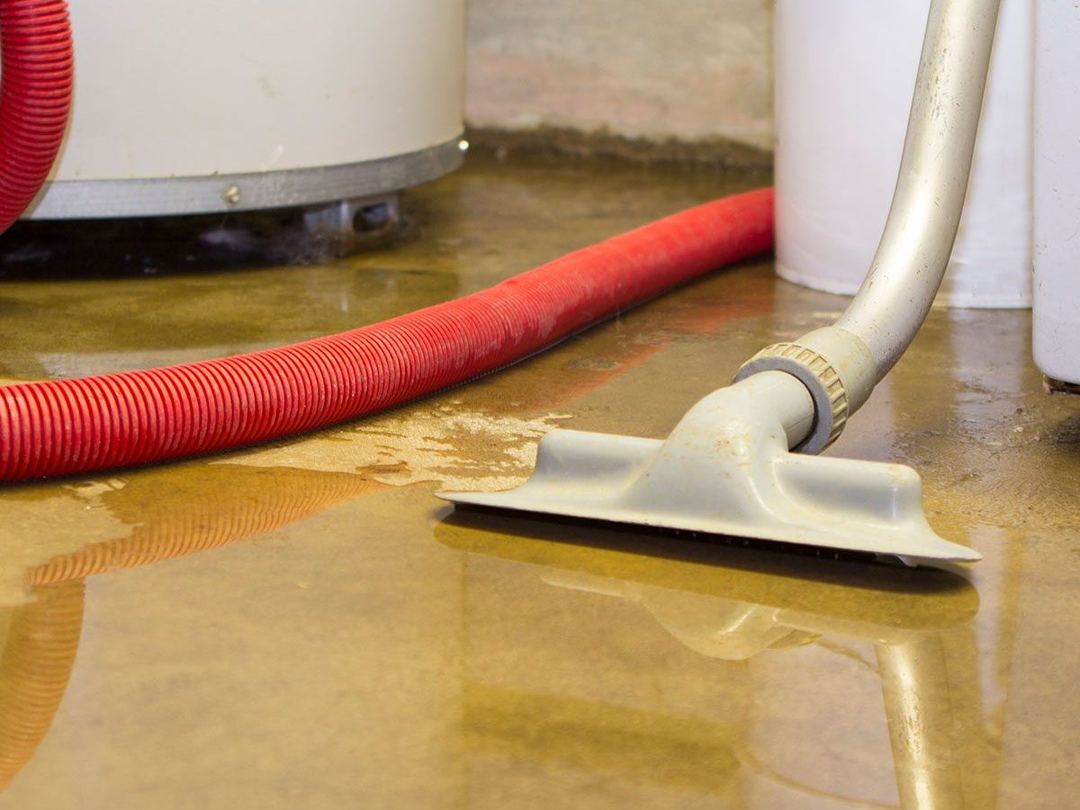
Emergency water extraction in McDonough, GA is the fast removal of standing and soaked-in water before it spreads into subfloors, drywall and cabinets. McDonough water extraction technicians arrive with submersible pumps, truck-mounted and portable extractors, moisture meters and thermal imaging, so water removal and moisture mapping happen in one visit. It's the first step of every water damage restoration in McDonough job, and the one that decides how much of your home can be saved.
Water left on the floor doesn't stay on the floor. It wicks up baseboards and drywall, seeps under laminate and vinyl plank, and swells particleboard cabinets. In Henry County's humid air, mold can start within 24 to 48 hours.
Standing Water in Your McDonough Home? Your First Hour
- Stop the source. Shut off the main water valve, usually in the garage, a utility closet or the crawl space. If water is coming in from outside, block the entry only if it's safe.
- Cut power to wet rooms. Flip the breakers for flooded areas if you can reach the panel without stepping in water.
- Photograph everything. Record water depth, the source and damaged items before anything moves. Your adjuster will ask for it.
- Lift and move. Carry rugs, electronics, papers and keepsakes to a dry room. Set furniture legs on foil or wood blocks to stop wicking.
- Call us. Tell us how many rooms are wet, how deep the water is and whether it's still coming in.
Skip the household vacuum. It's a shock hazard and can't pull water out of carpet pad.
How Emergency Water Extraction Works in McDonough
Water extraction removes standing water and the water soaked into floors, then uses moisture readings to find what's hiding where you can't see it.
- Safety check. The crew confirms the water source is stopped and the area is safe to work in.
- Pump out deep water. Submersible pumps clear water that's inches deep in garages, lower levels and crawl spaces. For water below the house, see our crawl space water damage service.
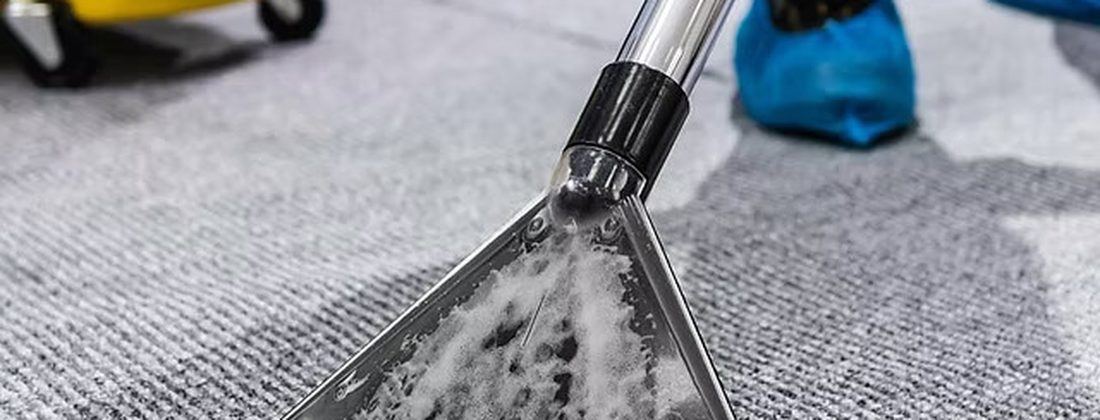
- Extract carpet, pad and hard floors. Weighted extraction tools press water out of carpet and pad; wet vacuums and squeegees clear tile, vinyl and wood.
- Map hidden moisture. Meters and a thermal camera show how far water traveled under flooring, behind baseboards and up drywall.
- Start drying immediately. Air movers and commercial dehumidifiers go in before we leave, and our structural drying process takes over from there.
Why Fast Water Removal Saves Floors, Walls and Money
Extraction removes water many times faster than evaporation. Fans alone can take weeks to dry what an extractor pulls out in an hour, and every extra day means more swelling, more tear-out and a higher chance of mold.
| How long water sits | What usually happens |
|---|---|
| First few hours | Water spreads across floors and soaks carpet pad and baseboards |
| 24 hours | Drywall wicks water upward; laminate and particleboard swell; musty odor starts |
| 48 hours | Mold growth becomes likely in humid weather; hardwood begins to cup |
| Several days | Subfloors, cabinets and drywall often need replacing instead of drying |
Shop Vac or Professional Water Extraction?
A shop vac handles a small spill on tile or concrete. It can't pull water out of carpet pad, reach water under flooring or tell you what's still wet. If carpet is soaked, more than one room is wet, or water ran under walls or cabinets, professional extraction saves more of your home and usually costs less in the end.
What Happens to Wet Carpet, Pad and Baseboards?
- Carpet: often saved when the water was clean and it's extracted and dried quickly.
- Carpet pad: usually replaced; it holds water like a sponge.
- Baseboards: MDF trim swells and is usually replaced; solid wood can sometimes be dried.
- Hardwood: dried in place whenever possible with our hardwood floor water damage methods.
- Anything touched by sewage or floodwater: porous materials are removed for health reasons. See sewage backup cleanup and flood damage cleanup.
What Causes Standing Water in McDonough Homes?
Most calls for emergency water removal around McDonough trace back to a handful of sources:
- Burst and frozen pipes during hard freezes
- Water heater failures in garages and closets
- Washing machine, dishwasher and fridge line leaks
- Toilet overflows and bathroom leaks
- Heavy rain pushing water under doors and into garages
- AC condensate overflows from attic air handlers
How Much Does Emergency Water Removal Cost in McDonough?
Emergency water removal is usually priced as part of the full water damage job, which in the Atlanta area commonly falls between about $1,200 and $7,000. Small clean-water jobs caught early can cost a few hundred dollars. The amount of water, the number of rooms and floors, the water type and the materials involved set the final scope, and you'll see it before major work begins.
Ranges are general market estimates, not a quote.
Will Insurance Pay for Water Extraction?
When water comes from a sudden, accidental event like a burst pipe or failed appliance, homeowners insurance usually covers extraction and drying as part of the claim. Rising floodwater from outside usually needs a separate flood policy. Most policies expect you to act quickly to prevent further damage, and prompt extraction is exactly that. Every job is documented with photos and daily moisture readings for your adjuster.
Emergency Water Removal Across Henry County
Beyond McDonough 30252 and 30253, local water removal crews handle emergency water extraction in Stockbridge, Locust Grove, Hampton and Jonesboro, along with Blacksville, Flippen, Kelleytown and Ola.
Water Extraction Questions from McDonough Homeowners
How fast should water be removed after a leak?
Within the first few hours if possible. Water starts wicking into drywall and swelling materials quickly, and mold can begin within 24 to 48 hours in Georgia's humidity.
Can I stay in my house with standing water?
Only if the water is clean, limited to a small area and away from electricity. If water came from sewage, covers several rooms or is near outlets, stay out of those areas until it's removed.
Do you remove water from crawl spaces and garages?
Yes. Submersible pumps and extractors clear standing water from crawl spaces, garages and lower levels, and drying equipment goes in right after.
Will my carpet be ruined?
Not always. Carpet soaked with clean water and extracted quickly can often be dried and kept. The pad underneath is usually replaced.
Why did water come back after I cleaned it up?
The source may not be fully stopped, or water is still trapped under flooring or inside walls. Moisture meters show exactly where it's coming from.
Need Water Removed Now?
Standing water won't wait. A Henry County water extraction crew will get it out and start the drying today, day or night.