McDonough, GA · Open 24 Hours
Mold Remediation After Water Damage in McDonough, GA
Musty smell? Spots spreading after a leak? Mold in Georgia's humidity doesn't stop on its own. Local mold remediation technicians contain it, remove it and fix the moisture that's feeding it.
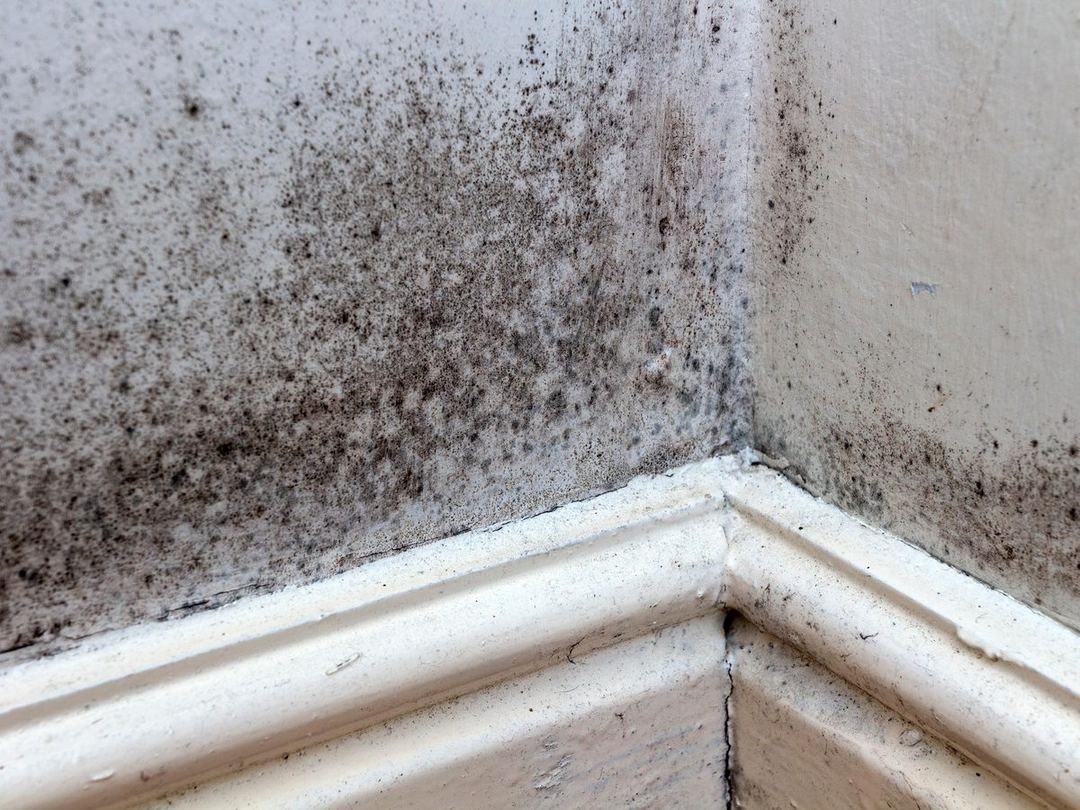
Mold remediation in McDonough, GA is the controlled removal of mold growth and the moisture problem behind it, so it doesn't come back. In Henry County, mold almost always follows water: a leak that wasn't fully dried, a damp crawl space, an AC drain line that overflowed into the attic, or a wall that stayed wet after a storm. McDonough mold remediation specialists find the moisture source first, contain the affected area so spores don't travel, remove contaminated materials, clean what can be saved and dry the structure to a measured standard.
Killing mold on the surface without fixing the water is why so many mold problems return. Remediation done right is part of complete water damage restoration in McDonough, not a spray-and-wipe job.
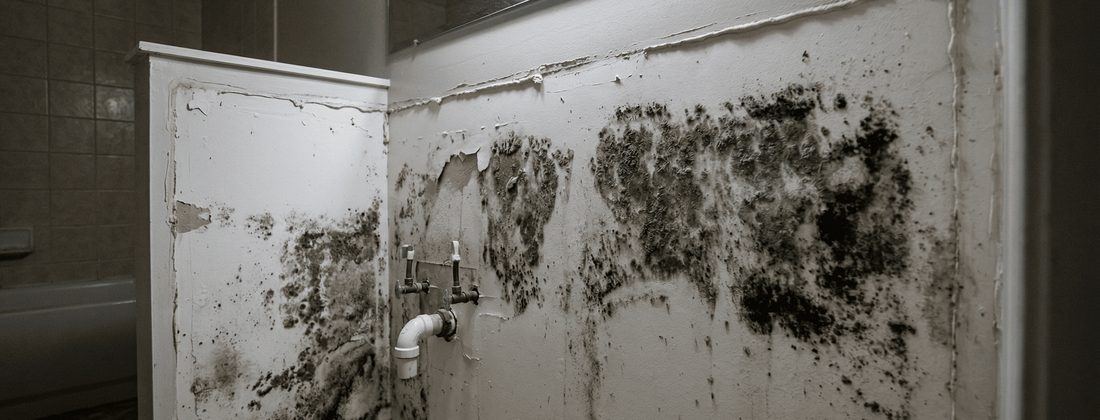
Why Mold Grows So Fast in McDonough Homes
Mold needs three things: moisture, food and warmth. Georgia homes supply all three for much of the year.
- Humidity. From midsummer into fall, outdoor humidity stays high, and anything that gets wet indoors dries slowly on its own. Mold can start within 24 to 48 hours of a leak.
- Crawl spaces over red clay. Vented crawl spaces pull in humid air, and clay soil holds moisture against the foundation. Musty smells upstairs often start below. See crawl space water damage.
- Attic air handlers. When a condensate line clogs, water drips into insulation and drywall for days before a stain shows. See AC and HVAC leak water damage.
- Hidden leaks. Slow drips behind walls, under sinks and around toilets feed mold out of sight.
- Incomplete drying. Water damage that was mopped and fanned but never measured often leaves wet drywall and framing behind.
Signs of Hidden Mold in Your Home
- A musty, earthy smell, especially when the AC kicks on
- Black, green or gray spots on walls, ceilings, baseboards or grout
- Peeling or bubbling paint and soft drywall
- Allergy-like symptoms that ease when you leave the house
- Recurring condensation on windows or ducts
- A past leak that was never professionally dried
Is Black Mold Dangerous?
Any indoor mold growth can trigger allergies, asthma and respiratory irritation, especially in children, older adults and people with weakened immune systems. "Black mold" usually refers to Stachybotrys, which grows on materials that stay wet for a long time, like drywall after a slow leak. You can't tell a mold's type by color alone, and the response is the same: fix the moisture, contain the area and remove the growth safely. If anyone in the home has health concerns, talk with a doctor.
Why Bleach Doesn't Fix a Mold Problem
Bleach can lighten surface stains on hard, non-porous surfaces, but it doesn't reach mold rooted inside drywall, wood or insulation, and the water in bleach can feed regrowth. It also does nothing about the moisture causing the problem. Porous materials with mold growth are usually removed; structural wood is cleaned, often sanded, and treated.
How Mold Remediation Works
- Inspection and moisture mapping. Moisture meters and thermal imaging locate the water source and every wet area, not just the visible spots.
- Containment. Plastic barriers and negative air pressure keep spores out of clean rooms during work.
- Air filtration. HEPA air scrubbers capture airborne spores throughout the job.
- Removal. Moldy drywall, insulation, carpet pad and other porous materials are bagged and removed.
- Cleaning. Framing, subfloors and hard surfaces are HEPA-vacuumed, cleaned and treated with antimicrobial products; heavily affected wood may be sanded.
- Drying. Our structural drying process brings materials back to a normal dry level, confirmed with readings.
- Fix the source and rebuild. The leak, drainage or condensation problem is corrected, then new materials go back in.
Mold in Crawl Spaces, Attics and Behind Drywall
| Location | Common McDonough cause | What remediation includes |
|---|---|---|
| Crawl space | Humid air, standing water, plumbing leaks | Water removal, drying, cleaning joists and subfloor, moisture control |
| Attic | AC condensate overflow, roof leak | Wet insulation removal, cleaning and treating decking and framing |
| Behind drywall | Burst pipe, slow supply line leak | Opening the wall, removing moldy drywall, drying and treating studs |
| Bathroom | Toilet, shower pan, poor ventilation | Removing damaged materials, drying subfloor, improving exhaust |
| Ceiling | Upstairs leak or roof leak | See ceiling water damage repair |
How Much Does Mold Remediation Cost in McDonough?
Small, contained mold problems such as one wall or a bathroom area may cost from several hundred to a couple thousand dollars. Larger jobs involving crawl spaces, attics or several rooms commonly run into several thousand, and whole-home remediation can cost more. The size of the affected area, how much material has to be removed, and what it takes to fix the moisture source drive the cost.
Ranges are general market estimates, not a quote.
Does Insurance Cover Mold from a Water Leak?
Sometimes. Many Georgia homeowners policies cover mold when it results from a covered, sudden water event like a burst pipe, often with a dollar limit. Mold from long-term humidity, slow leaks or deferred maintenance is usually excluded. Acting quickly after a leak protects both your home and your claim.
General information, not insurance advice.
How to Keep Mold from Coming Back
- Keep indoor humidity between 30% and 50%; run a dehumidifier in damp areas
- Dry any leak within 24 to 48 hours, measured, not guessed
- Clean AC condensate lines before summer and check attic drain pans
- Run bathroom exhaust fans during and after showers
- Keep gutters clean and downspouts extended away from the foundation
- Watch crawl spaces for standing water after heavy rain
Mold Remediation Across McDonough and Nearby Towns
Besides McDonough 30252 and 30253, local mold removal crews handle mold remediation in Conyers homes recovering from flooding, older crawl space homes in Griffin and Hampton, and attic AC leaks in Stockbridge. Mold after floodwater or sewage is handled alongside flood damage cleanup and sewage backup cleanup.
Mold Questions from McDonough Homeowners
How soon does mold grow after a leak?
Mold can begin within 24 to 48 hours when materials stay wet, especially in warm, humid Georgia weather.
Can I remove mold myself?
Very small spots on hard, non-porous surfaces can be cleaned with detergent and water while wearing gloves and a mask. Larger areas, mold inside walls or crawl spaces, or mold after a water event should be handled with containment to avoid spreading spores.
Do I need mold testing?
Not always. When mold is visible or the moisture source is known, remediation can start without testing. Testing can help when you smell mold but can't find it, or when someone has health concerns.
Will mold come back after remediation?
Not if the moisture source is fixed and the structure is fully dried. Mold returns when the water problem behind it isn't solved.
Why does my house smell musty when the AC runs?
The AC may be pulling air from a damp crawl space or blowing over moisture in the air handler or ducts. Checking the crawl space and condensate system usually finds the cause.
Mold After a Leak? Stop It at the Source
Mold grows every day the moisture stays. A local mold remediation crew will contain it, remove it and fix the water behind it.