McDonough, GA · Open 24 Hours
Crawl Space Water Damage & Drying in McDonough, GA
Water under your house doesn't stay under your house. It rots joists, feeds mold and sends musty air into every room. Local crawl space water removal crews pump it out and dry it for good.
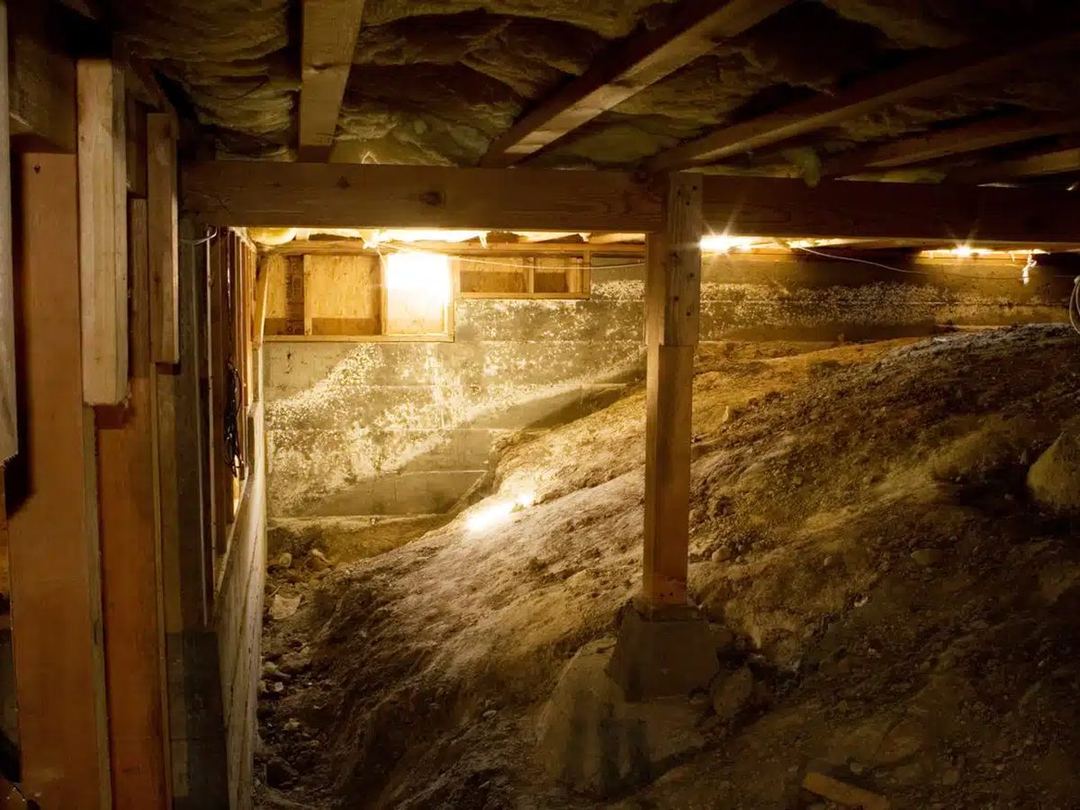
Crawl space water removal in McDonough, GA means pumping out standing water below your home, drying the soil surface, joists, subfloor and insulation, and finding out why the water got there. Many Henry County homes sit over vented crawl spaces, and the combination of red clay soil, heavy rain and humid summer air makes them one of the most common hidden sources of water damage in the area. Crawl space drying technicians work in tight, dirty spaces with submersible pumps, crawl space dehumidifiers and moisture meters, so the area beneath your floors is dry, not just drained.
Water below the floor is easy to ignore because you don't see it. It's also one of the most damaging parts of water damage restoration in McDonough, because by the time you smell it, the wood above has often been wet for weeks.
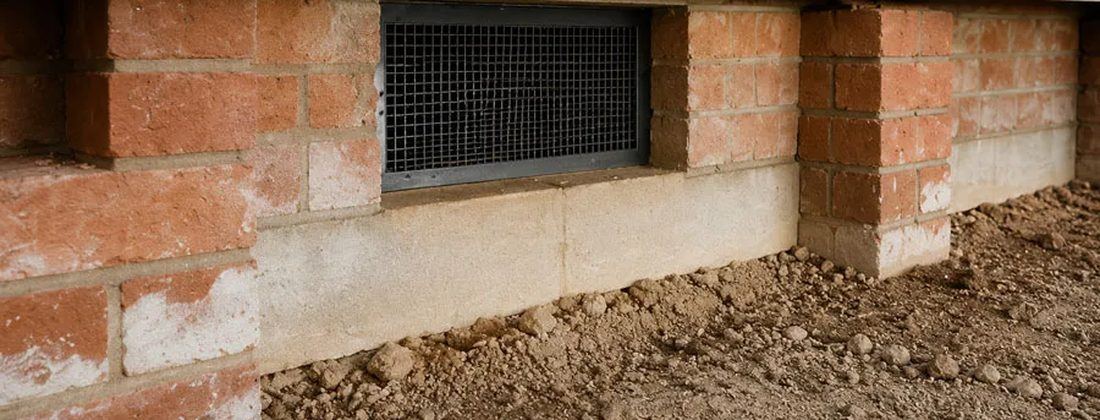
Is Standing Water in Your Crawl Space an Emergency?
Yes, if there's more than a damp spot. Standing water raises humidity under the entire house, soaks insulation until it falls, and keeps joists and subfloors wet enough for rot and mold. If the water came from a broken pipe, it keeps coming until the line is shut off. If there's water near wiring, ductwork or a furnace in the crawl space, stay out and turn off power to that area if you can do it safely.
Why Crawl Spaces Around McDonough Get Wet
- Red clay soil. Georgia clay holds water and drains slowly, so rain soaks the soil around the foundation and seeps in.
- Grading and downspouts. Yards that slope toward the house and downspouts that empty against the foundation send roof water straight underneath.
- Heavy rain and yard flooding. Intense storms overwhelm drainage; Henry County homeowners have reported recurring backyard flooding after rain. See flood damage cleanup.
- Plumbing leaks. Supply lines and drain pipes run through crawl spaces, and frozen pipes burst there first during hard freezes.
- Humid air. Vents pull in warm, humid summer air that condenses on cooler pipes, ducts and wood.
- HVAC ducts and condensate lines. Sweating ductwork and AC drain lines that end under the house add steady moisture.
Warning Signs of Crawl Space Water Damage
- A musty or earthy smell inside the house, especially near floor vents
- Floors that feel soft, bouncy or uneven
- Higher indoor humidity and sticky air even with the AC on
- Insulation sagging or lying on the ground below
- Mold or dark staining on joists and the underside of the subfloor
- Increased insects or pests
- Hardwood floors cupping above the crawl space (see hardwood floor water damage)
How Crawl Space Water Is Removed and Dried
- Inspection. The crew checks water depth, the source, wiring and ductwork, and take moisture readings on joists and subfloor.
- Water removal. Submersible pumps and extractors remove standing water and mud.
- Remove damaged materials. Soaked insulation and torn or flooded vapor barrier are removed.
- Clean and treat. Joists, sill plates and subfloor are cleaned and treated with antimicrobial products; any mold is handled with proper containment.
- Dry. Crawl space dehumidifiers and air movers dry the wood and soil surface, monitored daily until readings reach a normal level.
- Fix the source and restore. Plumbing repairs, drainage recommendations, and new insulation and vapor barrier once everything is dry.
Vapor Barriers, Insulation and Wood Framing After Water Damage
Wet fiberglass insulation loses its value and holds moisture against the subfloor, so it's usually replaced. A torn or flooded vapor barrier stops protecting against ground moisture and should be replaced after drying. Wood framing is rarely replaced if it's dried quickly; joists and sill plates that stayed wet for a long time may need a structural check for rot.
Crawl Space Moisture and the Air in Your Home
Air from the crawl space rises into your living space as the house breathes, so a wet crawl space can mean musty odors, higher humidity and mold spores upstairs. That's why many McDonough homeowners notice a musty smell when the AC kicks on. Drying the crawl space and controlling its humidity often fixes indoor air problems that seem unrelated.
How Much Does Crawl Space Water Removal Cost?
Crawl space water removal and drying often ranges from several hundred dollars for a small plumbing leak to a few thousand dollars when insulation, vapor barrier and mold treatment are involved. Larger jobs with structural repairs or drainage work cost more. Water depth, the size of the crawl space, how long the wood stayed wet and what has to be replaced set the scope.
Ranges are general market estimates, not a quote.
Does Insurance Cover Crawl Space Water?
It depends on the source. Sudden water from a burst pipe or broken drain line is often covered. Groundwater, surface water and long-term seepage are usually excluded under standard homeowners policies, and flood water needs a flood policy. Documenting the source and acting quickly helps.
General information, not insurance advice.
How to Keep Your Crawl Space Dry
- Extend downspouts at least 4 to 6 feet from the foundation
- Regrade soil so it slopes away from the house
- Keep gutters clear year-round
- Insulate crawl space pipes before winter
- Check the crawl space after heavy storms and hard freezes
- Consider a sump pump or drainage system for recurring water
- Make sure AC condensate lines drain away from the foundation, not under the house
Crawl Space Water Removal Across McDonough and Nearby Towns
Along with McDonough 30252 and 30253, local water damage crews dry crawl spaces under older homes in Hampton and Griffin, rain-soaked crawl spaces in Conyers, and older Clayton County homes in Jonesboro. Large crawl space jobs use the same structural drying standard as the rest of the house.
Crawl Space Questions from McDonough Homeowners
Why does my crawl space flood after rain?
Usually because of grading, short downspouts or saturated clay soil pushing water toward the foundation. Heavy storms make it worse.
Can crawl space water cause mold in my house?
Yes. Humidity and spores from a wet crawl space rise into the living space, and the subfloor and joists above can grow mold.
Why do my floors feel soft or bouncy?
Long-term moisture can weaken subfloor and joists. Have the crawl space inspected; drying early can prevent structural repairs.
How long does it take to dry a crawl space?
Often several days, depending on how much water there was, how long it sat and the weather. Drying ends when wood moisture readings return to normal.
Do I need crawl space encapsulation?
Not always. Fixing drainage, replacing the vapor barrier and controlling humidity solve many problems. Encapsulation can help homes with ongoing moisture and is a separate improvement project.
Water Under Your House? Dry It Before It Spreads
Every week a crawl space stays wet, the wood above it gets weaker. A local crawl space water removal crew will pump it out, dry it and find the source.